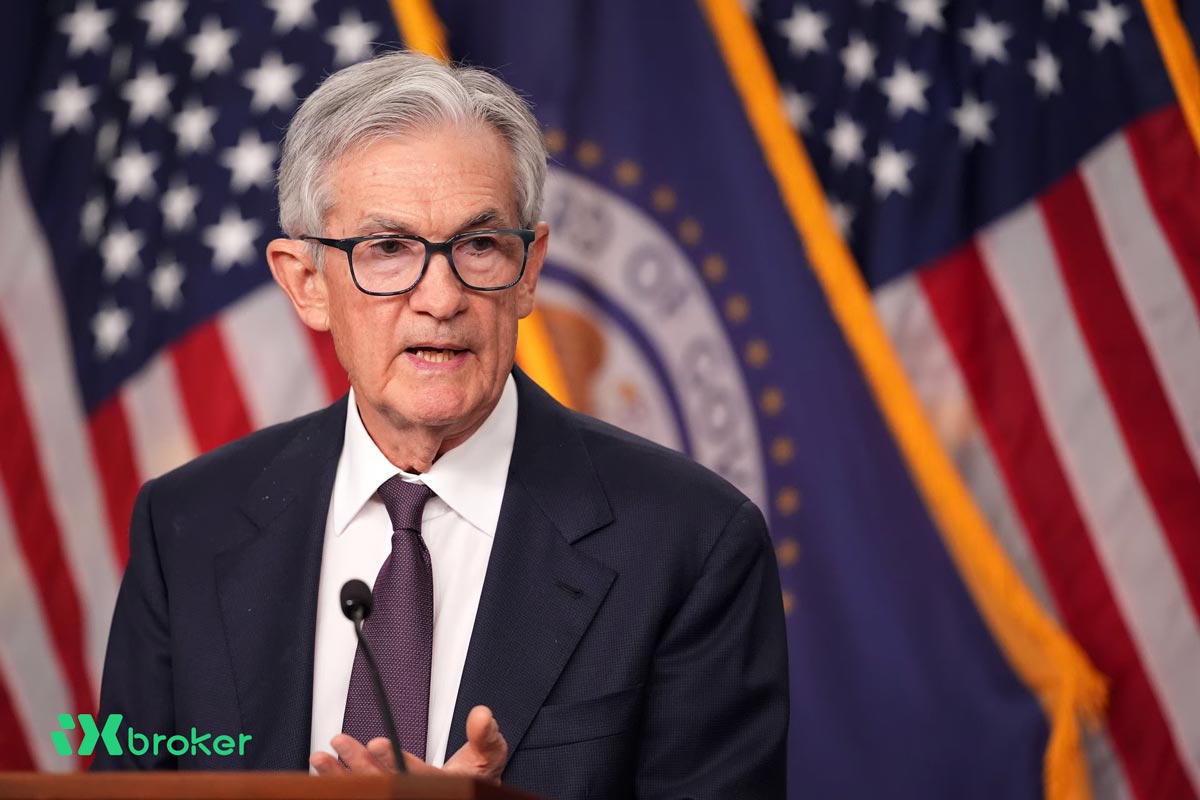
Markets are witnessing a notable decrease in volatility as traders prepare for Federal Reserve Chairman Jerome Powell’s speech at the Jackson Hole Symposium, set for August 21-23. The drop in volatility is likely linked to expectations of continued monetary ease and a stable economic outlook. However, some market experts caution that risks remain on the horizon.
Key asset classes, including Bitcoin and gold, have seen significant reductions in volatility, with Bitcoin’s 30-day implied volatility dropping to near two-year lows of around 36%, as per TradingView data. Similarly, the CME Gold Volatility Index (GVZ) has plummeted by more than 50% in the past four months, reaching its lowest point since January. The MOVE index, which tracks the implied volatility of Treasury notes, has also decreased, hitting a 3.5-year low.
The VIX, often referred to as Wall Street’s “fear gauge,” fell below 14% last week, a dramatic drop from its early April highs of around 45%. Similar patterns are observed in foreign exchange markets, including the EUR/USD pair.
Monetary Easing on the Horizon
The sharp decline in volatility comes amid expectations that central banks, particularly the Fed, will resume rate cuts in September. The CME’s FedWatch tool predicts a 25-basis-point reduction, resuming the easing cycle after an eight-month hiatus. Investment banking giant JPMorgan forecasts the benchmark borrowing rate to fall to 3.25%-3.5% by the end of Q1 2026, a significant reduction from the current 4.25%.
Some analysts believe Powell’s upcoming speech may set the stage for additional easing measures. Angelo Kourkafas, a senior investment strategist at Edward Jones, noted that Powell’s remarks could validate the high expectations for rate cuts to resume in September.
Are Markets Too Comfortable?
Despite the optimism surrounding monetary easing, some analysts argue that the market’s complacency may be unwarranted. With trade tensions, including potential economic fallout from President Trump’s tariffs, and persistent inflationary pressures, the stability markets are pricing in could be fragile.
Scott Bauer from Prosper Trading Academy emphasized that low volatility, given the current economic uncertainties, is concerning. Analysts at Goldman Sachs also warned of potential downside risks, suggesting that corporate bond spreads, now at their lowest since 2007, could signal a market that’s too complacent.
Goldman strategists advised clients to consider hedging their portfolios, noting that several factors, such as dis-inflationary pressures fading or renewed concerns over Fed independence, could trigger market turbulence.
As history shows, periods of low volatility often precede more volatile conditions. The markets will be closely watching Powell’s Jackson Hole address for clues on the Fed’s next move.
Summary
Markets are experiencing a sharp decline in volatility as traders await Federal Reserve Chairman Jerome Powell’s speech at the Jackson Hole Symposium. Asset classes like Bitcoin, gold, and Treasury notes are showing low volatility, reflecting expectations of continued monetary easing and economic stability. The Fed is expected to resume rate cuts in September, with a 25-basis-point reduction anticipated. However, some analysts warn that markets may be too complacent, pointing to risks like trade tensions and persistent inflation. Despite the current calm, experts caution that low volatility could signal upcoming market turbulence.