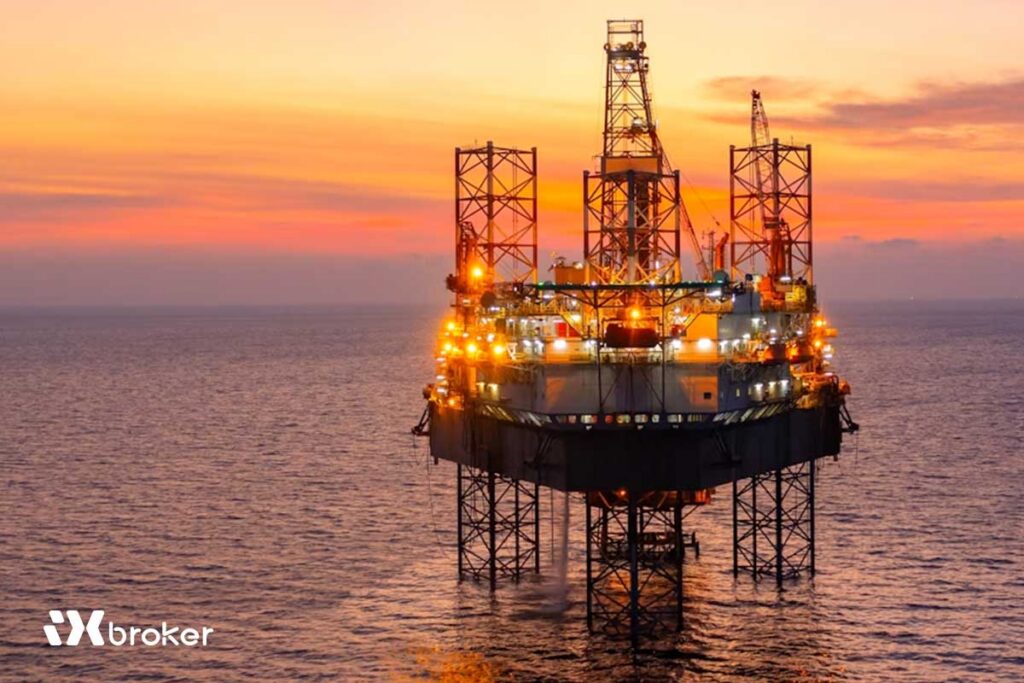
West Texas Intermediate (WTI) crude extended gains early Thursday, trading around $60.10 during the Asian session — its highest level in nearly two weeks. The rally follows a fresh wave of US sanctions imposed on major Russian oil companies, heightening concerns over tighter global supply.
According to a Reuters report, the US administration under President Donald Trump has sanctioned Russia’s leading oil producers, accusing Moscow of failing to take meaningful steps toward ending the war in Ukraine. The measures are expected to curb Russian crude exports to international markets, fueling a potential supply squeeze and driving prices higher.
The announcement came just one day after plans for a high-level summit between Trump and Russian President Vladimir Putin were suspended. US Treasury Secretary Scott Bessent said the sanctions specifically target Lukoil and Rosneft, two of Russia’s largest energy firms.
“Given President Putin’s refusal to end this senseless war, Treasury is sanctioning Russia’s two largest oil companies that fund the Kremlin’s war machine,” Bessent stated.
In addition to geopolitical tensions, stronger demand signals have also supported crude prices. Data from the US Energy Information Administration (EIA) showed that US crude inventories fell by 961,000 barrels for the week ending October 17, compared with a 3.524 million-barrel increase in the prior week. Analysts had expected a build of around 1.8 million barrels.
However, analysts caution that upside momentum may be limited by concerns over excess supply. The Organization of the Petroleum Exporting Countries and its allies (OPEC+) continues to move forward with planned production increases, a policy that could lead to a market surplus both this year and next. The International Energy Agency (IEA) recently projected a global oversupply of nearly 4 million barrels per day by 2026.