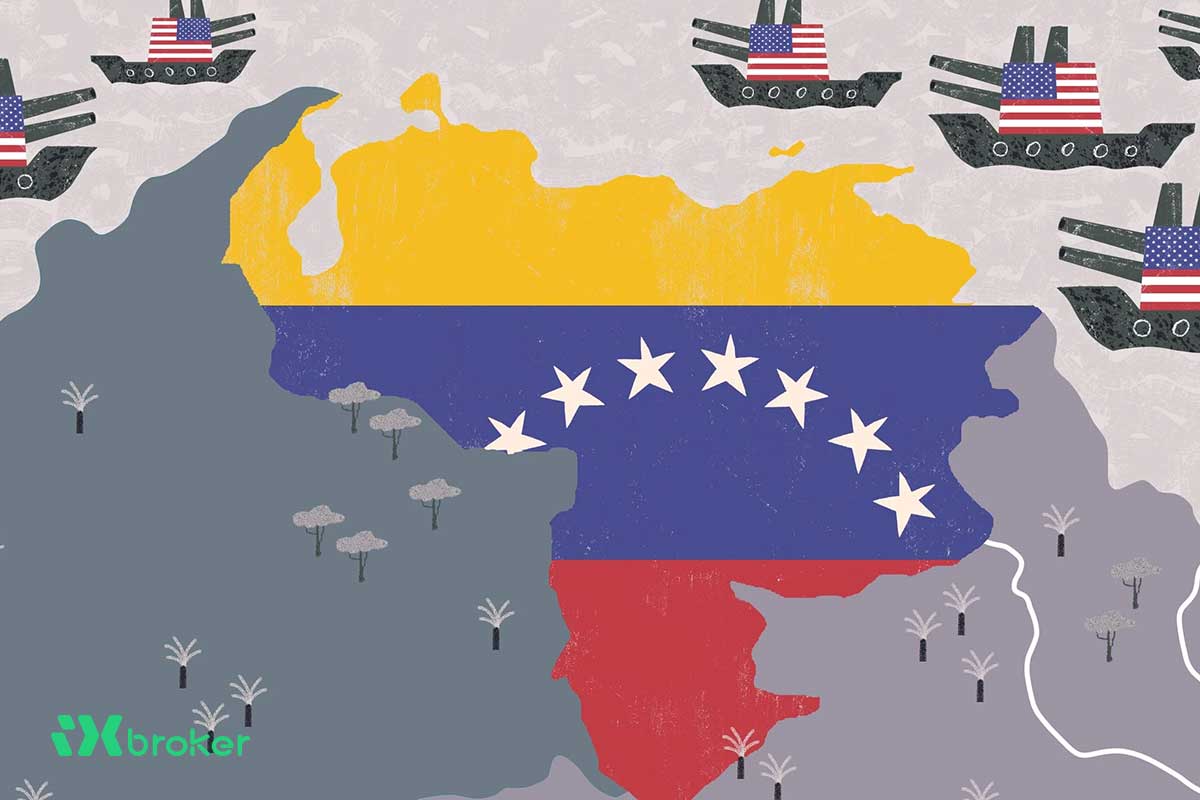
Global leaders responded rapidly after President Donald Trump confirmed U.S. military strikes in Venezuela and announced the capture of President Nicolás Maduro and his wife, triggering widespread condemnation from U.S. adversaries and renewed calls for deescalation across key regions.
While several governments criticized the operation as a violation of sovereignty, others focused on protecting foreign nationals and preventing further instability in a region already facing economic and humanitarian strain.
Latin America condemns intervention, urges deescalation
Colombia, which shares a long and sensitive border with Venezuela, called for immediate deescalation. The government said it had implemented measures to protect civilians, maintain border stability and prepare for potential humanitarian or migration pressures stemming from the conflict.
Cuban President Miguel Díaz-Canel described the operation as a “criminal US attack,” urging an “urgent reaction from the international community.” Brazil’s President Luiz Inácio Lula da Silva also condemned the strikes, calling them a serious affront to Venezuelan sovereignty and warning that the action threatens Latin America’s status as a zone of peace, according to AFP.
Iran and Russia denounce U.S. action
Iran condemned the strikes as a “flagrant violation of national sovereignty and territorial integrity,” according to AFP. The reaction comes amid heightened tensions between Washington and Tehran, following recent U.S. warnings over unrest inside Iran.
Russia’s Foreign Ministry accused the United States of carrying out an act of armed aggression against Venezuela, calling the move deeply concerning and unjustified. In a statement reported by Reuters, Moscow said ideological hostility had overridden diplomatic pragmatism and urged all sides to prevent further escalation through dialogue.
Russia also called for Venezuela’s right to determine its future without external military interference and supported demands for an emergency meeting of the UN Security Council.
Europe calls for restraint, focuses on citizen safety
European officials largely emphasized adherence to international law and the protection of their nationals in Venezuela. EU foreign policy chief Kaja Kallas said the bloc was closely monitoring the situation and reiterated that the EU does not recognize Maduro as Venezuela’s legitimate leader. However, she stressed that international law and the UN Charter must be respected under all circumstances.
Italy and Belgium echoed similar concerns, prioritizing the safety of their citizens on the ground. Spain’s Foreign Ministry called for de-escalation and moderation, offering to help mediate a peaceful and negotiated solution to the crisis, according to Reuters.
UK Prime Minister Keir Starmer said Britain was not involved in the operation and urged patience while facts are established. He reiterated the need for all countries to uphold international law and said he intended to consult with President Trump and allied leaders.
German Chancellor Friedrich Merz said Maduro had led Venezuela into disaster and noted that Germany, like many countries, did not recognize his presidency after the last election. He described the legal assessment of the U.S. intervention as complex and said Berlin would take time to evaluate it, stressing the importance of avoiding political instability and ensuring an orderly, election-based transition of power.
Israel backs Trump’s decision
In contrast to the widespread criticism, Israeli Prime Minister Benjamin Netanyahu praised President Trump, calling the operation a demonstration of bold and historic leadership in support of freedom and justice.
As markets and governments assess the implications, investors remain alert to potential spillover effects on energy prices, regional stability and broader geopolitical risk sentiment, with further developments likely to shape global reactions in the days ahead.
Ready to start trading Forex? Join iXBroker today and kick-start your trading journey now!