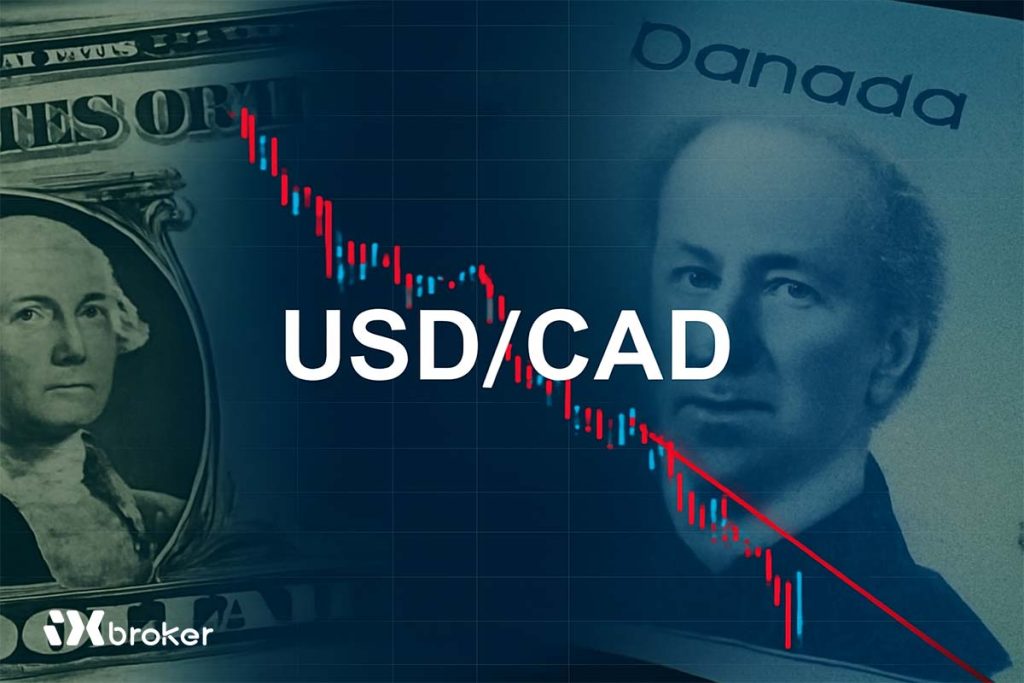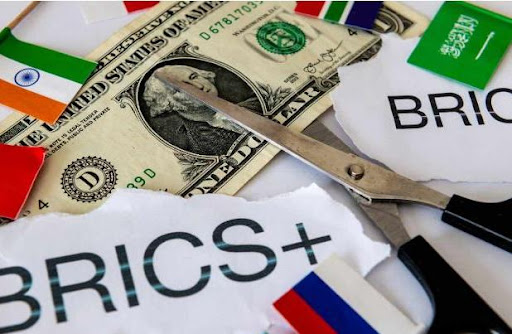
2025 is witnessing a seismic shift in the global economic landscape, with tensions peaking between the US and the BRICS bloc. President Trump’s new threat—an additional 10% tariff on any country deemed to align with “Anti-American policies of BRICS”—emphasizes how the world’s leading powers are locked in a strategic contest. But this isn’t simply about tariffs and soundbites; at stake is the very architecture of global finance as BRICS’ de-dollarization drive accelerates.
Unraveling Dollar Dominance
For years, the US dollar has reigned supreme as the world’s reserve currency, underpinning international trade and economic stability. Yet, 2025 has become a turning point. According to the latest IMF data, the dollar’s share of global reserves plunged to 57.8% by the close of 2024—a historic low. Central banks’ flight from the dollar is palpable: In Q1 2025 alone, over 244 metric tons of gold have been purchased globally. The World Gold Council indicates that nearly 20% of central bank assets are now in gold, a figure not seen in decades, and 95% of global central bank managers plan to further boost their gold holdings in the next year.
This marks the most significant challenge to the dollar’s role as king of currencies. What’s fueling this? BRICS—a bloc now far more than a collection of emerging markets—has adopted de-dollarization as a founding principle. Their push has earned active participation from major economies such as Russia, China, and India, all seeking to reduce their vulnerability to US financial pressure.
The US Strikes Back: Tariffs as a Primary Weapon
President Trump’s administration has chosen aggressive tariffs as its counterpunch. The new policy framework doesn’t just target China—a veteran adversary—but any nation perceived as sympathetic to BRICS’ monetary plans. For China, tariffs remain steep, affecting over 30% of goods. South Africa is now hit with an equivalent rate, and Southeast Asian nations like Malaysia, Indonesia, Myanmar, and Laos are on the clock to appease Washington, lest they face the same fate come August 1.
This is not the first volley in the China-US trade war, but it is arguably the most consequential, expanding the scope to a true global stage. Notably, Trump’s “reciprocal” tariffs strategically bypass China for now, aiming to fracture the emerging BRICS consensus.
BRICS Launches Payment Revolution
Perhaps the most consequential development is the rise of the BRICS Cross-Border Payments Initiative. At the 17th BRICS summit in Rio, leaders committed to building payment systems that rival SWIFT, aiming to shield member economies from dollar-induced disruptions. Trade between Russia and China is now over 90% settled in rubles and yuan, providing a real-time example of de-dollarization in action. This movement undermines not just US financial influence, but also entrenched practices like dollar-pegged settlements.
China Takes the Lead
China has rapidly assumed economic leadership within BRICS, accounting for almost 20% of global GDP and 70% of Brazil’s BRICS exports. But its influence doesn’t stop at trade flows—it extends across crucial supply chains, particularly rare earth elements, giving Beijing leverage unthinkable just a decade ago.
Future Implications for Global Markets
The real question: can BRICS cooperation outpace the retaliation from Washington? The formation of a unified front is slow, but their payment coordination already presents a formidable challenge to US economic hegemony. Yet analysts caution that without a credible, liquid, and institutionally backed BRICS currency, dollar dominance isn’t vanishing overnight.
As this showdown plays out, global markets are experiencing tremors—especially in the worlds of Forex and crypto.
iXDeep Analysis: Market Impacts (Forex & Crypto Spotlight)
The US vs. BRICS battle is more than diplomatic headlines—its ripples are felt on every trading floor. Here’s how the market chessboard is evolving:
-
Forex Markets:
The ongoing de-dollarization drive and gold accumulation have increased long-term downward pressure on the USD, with the DXY index showing heightened volatility. Currencies like the CNY and RUB are drawing renewed investor attention, especially for pairs tied to BRICS economies. Expect sharper swings in emerging market FX rates, and heightened risk premiums as tariff deadlines loom.
-
Crypto Markets:
In times of global monetary uncertainty, digital assets like Bitcoin and Ethereum gain an edge as “neutral” assets. We’ve seen trading volumes spike following both Trump’s tariff announcements and major BRICS summits. Altcoin projects aiming to support cross-border transactions and decentralized finance (DeFi) may especially benefit if trust in fiat-based systems continues to wane.
-
Commodities & Gold:
With central banks buying gold at record rates, safe-haven demand is likely to persist. This also adds a layer of complexity for investors using ETFs, gold-backed tokens, or synthetic commodities in crypto.
Outlook:
Risk management is essential in this new era. Expect further volatility in global FX pairs, renewed focus on alternative assets, and greater integration of crypto as a hedge against geopolitical turbulence.