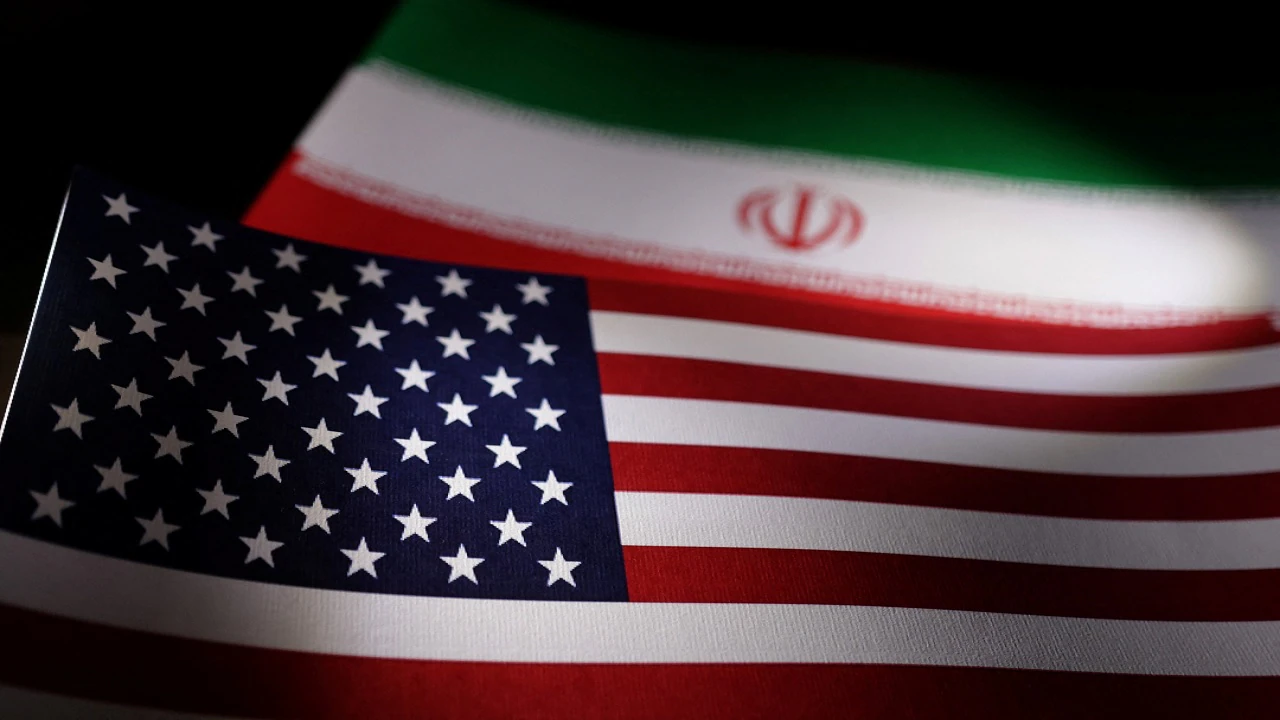
The US withdraws some diplomats from Iraq as tensions rise with Iran over nuclear talks and regional threats.
As tensions escalate between the United States and Iran, the US State Department has ordered the evacuation of some diplomatic staff from its embassy in Baghdad. The move comes amid Tehran’s warnings of retaliation against any potential military strikes, and a new phase in Iran’s nuclear activities.
Partial Evacuation of US Embassy in Baghdad
On Thursday, the US State Department announced that, based on updated security assessments, certain non-essential personnel at its Baghdad embassy were instructed to leave Iraq. The decision follows growing concerns over potential military threats from Iran.
In a statement, the State Department cited “our latest analysis” as the basis for the withdrawal. Meanwhile, the Pentagon confirmed that Defense Secretary Pete Hegseth authorized the departure of family members of US military personnel stationed throughout the Middle East.
New Restrictions for US Personnel in Israel
Beyond Iraq, the State Department has also issued travel restrictions for US government employees and their families in Israel. Until further notice, they are barred from traveling outside major urban areas like Tel Aviv and Jerusalem.
Although no specific threat has been cited, these precautionary measures reflect a broader climate of uncertainty surrounding US-Iran relations and nuclear negotiations that appear increasingly fragile.
Trump Expresses Doubts Over Nuclear Deal
In a recent interview with the New York Post, US President Donald Trump expressed skepticism regarding the outcome of ongoing talks with Iran, suggesting a deal may not be within reach. He reiterated that while a peaceful agreement is preferred, the US has not ruled out military options.
“I still want a deal,” Trump said, “but if Tehran refuses to cooperate, we will take action.”
Iran Responds with Strong Warnings
Iran’s Defense Minister Aziz Nasirzadeh issued a stern warning in response to Trump’s remarks, stating: “We sincerely hope for a diplomatic resolution, but if war is imposed on us, the other side will undoubtedly suffer greater losses.”
On Thursday, Iran began a new round of military drills reportedly focusing on “enemy movements,” and the commander of the Islamic Revolutionary Guard Corps stated that Iranian forces are “fully prepared for any scenario.”
Iran Expands Nuclear Program in Defiance of IAEA
In a separate but related development, Iran announced plans to establish a new uranium enrichment facility, following a recent censure resolution by the International Atomic Energy Agency (IAEA). The move signals Tehran’s hardening stance amid stalled negotiations and could further complicate the diplomatic process.
Market Reactions to Regional Unrest
Global markets reacted swiftly to the developments. Oil prices initially spiked following the news of the US embassy withdrawal but later declined. Brent crude dropped 1.5%, trading just below $69 per barrel. However, prices remain up 3.5% this week, highlighting the market’s sensitivity to geopolitical risks in the region.
Regional stock markets also felt the pressure, with indices in Israel and several Gulf nations closing lower on Thursday.
Diplomatic Talks Continue in Oman Despite Tensions
Despite the heightened rhetoric and military maneuvers, the sixth round of US-Iran nuclear negotiations is set to proceed as planned on Sunday in Oman. Oman’s Foreign Minister confirmed that both sides remain committed to the upcoming dialogue, with Muscat continuing its role as mediator.