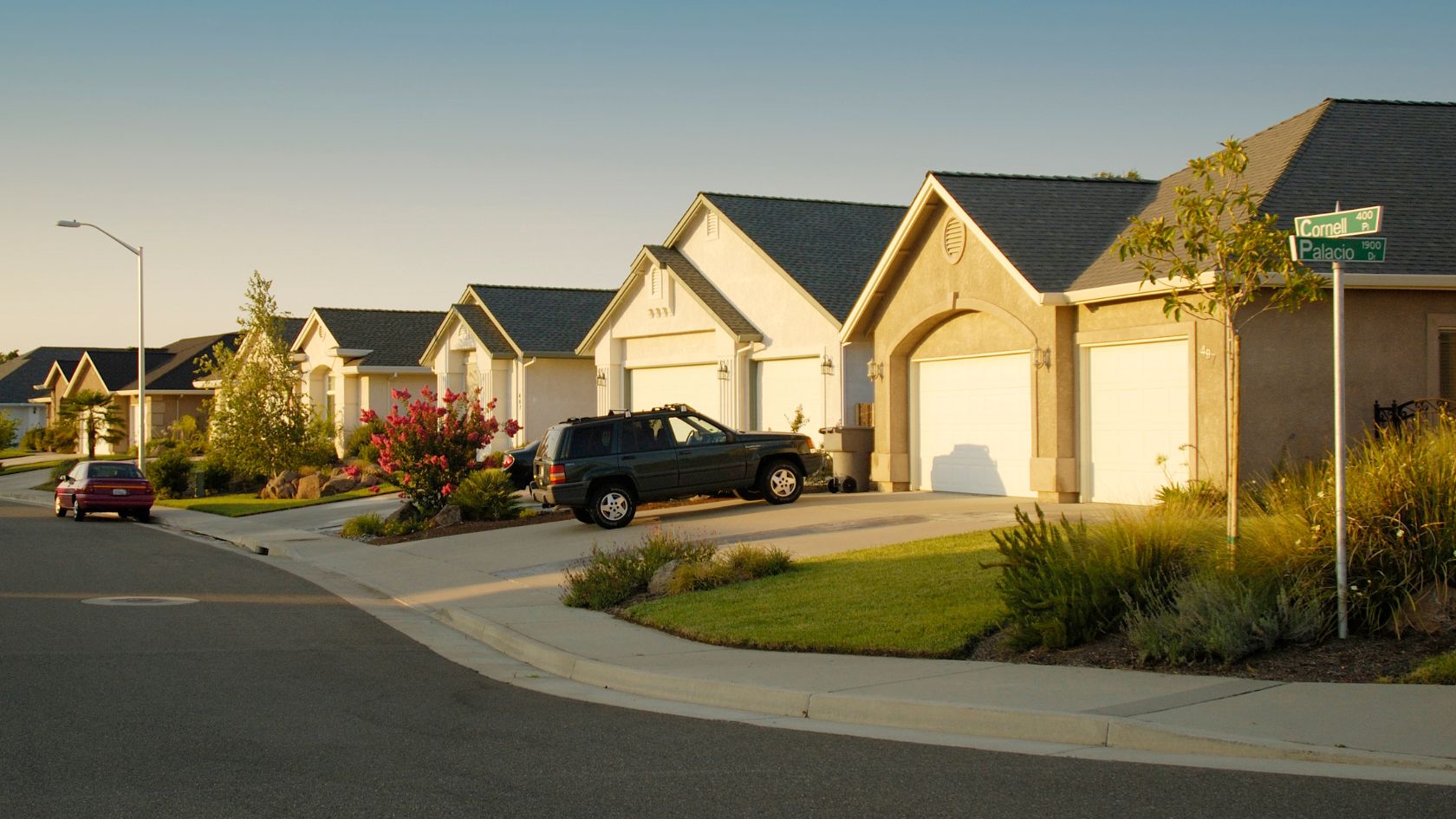
Annual US home price growth slowed to 3.4% in March amid rising inventory and reduced buyer activity.
Market Moves Toward Balance
According to the latest S&P CoreLogic Case-Shiller Index report, home price growth in the United States decelerated in March, rising 3.4% year-over-year. The slowdown comes as housing inventory increases, while buyer demand remains subdued.
Impact of Mortgage Rates on Affordability
7% Mortgage Rates Weigh Heavily on Buyers
Mortgage rates hovering near 7% have significantly eroded purchasing power. As borrowing costs remain elevated, many potential homebuyers are stepping back or delaying their plans, further weakening demand.
Rising Listings and Shifting Seller Behavior
Sellers Offer Incentives to Attract Buyers
In many regions, the growing number of listings—without a corresponding rise in demand—has pressured sellers to adjust. Many are now more willing to offer price reductions or favorable terms to close deals, contributing to a more balanced market environment.
Resilient Markets in Select Cities
New York and Chicago Lead with Strong Gains
Despite a national deceleration, markets such as New York, Chicago, and Cleveland continue to see robust activity. New York posted the highest annual price gain in March at 8%, followed by Chicago at 6.5% and Cleveland at 5.9%.
Cooling Trends in Southern Markets
Tampa Records Largest Price Drop
Conversely, some Southern markets are experiencing price declines. Tampa, Florida saw the largest year-over-year decrease among the 20 major cities analyzed, with home prices falling by 2.2%.
Monthly Momentum Signals Spring Recovery
Spring Boosts Monthly Price Gains
Despite slower annual appreciation, March marked the strongest monthly price performance of 2025 so far. Home prices increased month-over-month in 18 of the 20 cities tracked, suggesting renewed seasonal momentum and broad-based market activity.
Conclusion: A Market Caught Between Balance and Uncertainty
Uncertain Outlook for the Housing Sector
The US housing market finds itself at a crossroads—caught between rising inventory and waning affordability. Moving forward, the direction of prices will largely depend on macroeconomic factors such as Federal Reserve policy, inflation trends, and employment levels.