The U.S. extension of the trade war deadline heightens global market instability and reduces investment in developing countries, warns the World Trade Organization.
The World Trade Organization has warned that the U.S. government’s decision to extend the tariff negotiation deadline is exacerbating uncertainty and instability in global markets, threatening long-term investments.
Extension of the Trade War Deadline and Its Impact on the Global Economy
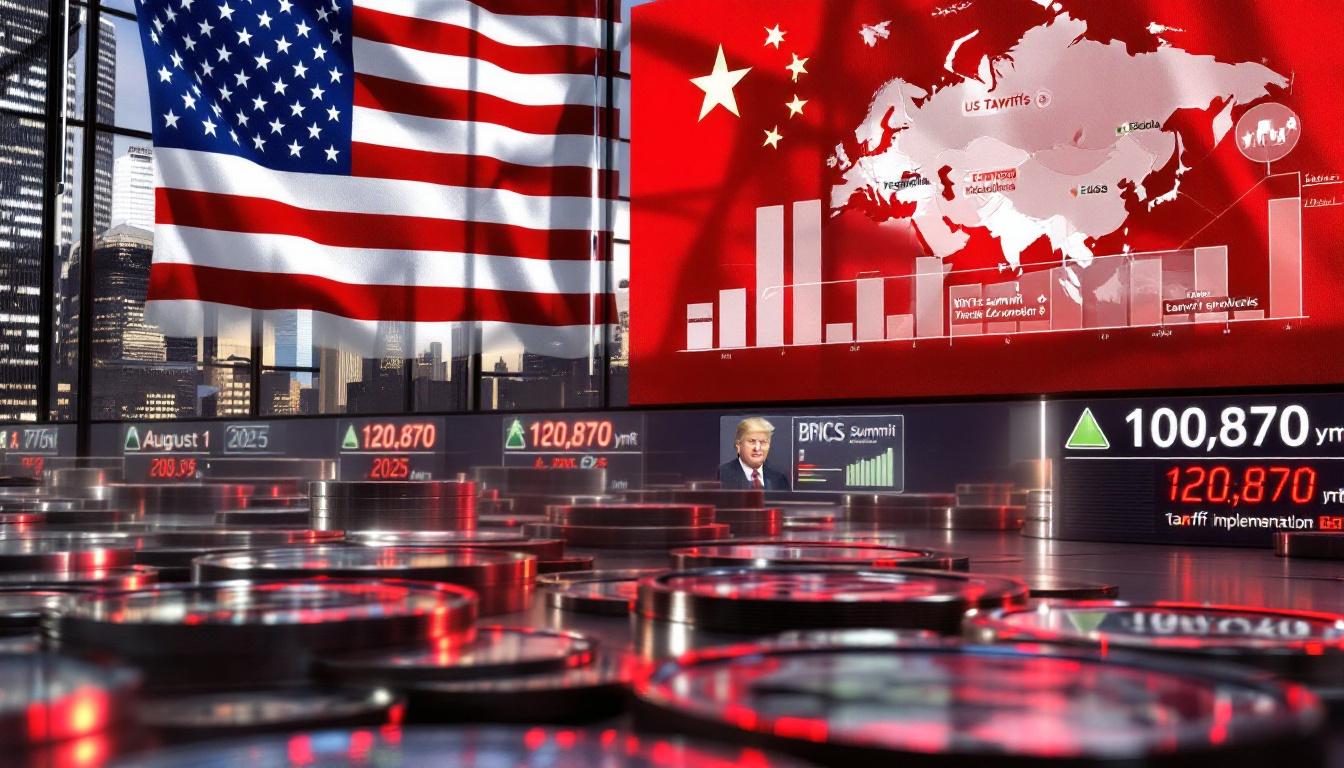
The United States government, under the leadership of President Donald Trump, recently extended the deadline for imposing new tariffs on imports from 14 countries until August 1, 2025. This decision affects major economies such as Japan and South Korea, as well as smaller trading partners, all of which are now facing higher tariffs. The move comes amid ongoing volatility and concerns in global markets triggered by months of trade tensions between the U.S., China, and other nations.
Pamela Coke-Hamilton, Executive Director of the International Trade Centre under the United Nations, stated in a press briefing in Geneva: “The extension of the tariff negotiation deadline effectively prolongs the period of uncertainty, weakening long-term investments and trade contracts.”
The Impact of Tariff Uncertainty on Investments
A key issue highlighted by Coke-Hamilton is the detrimental effect that unclear tariff policies have on business planning. When companies are unsure about future costs related to imports and exports, they cannot adequately plan their investments. This often leads to delays or cancellations of development projects.
She cited Lesotho as an example, noting, “Major textile exporters in this country have temporarily halted investments while awaiting the outcome of tariff negotiations, illustrating the direct impact of tariff policies on developing economies.”
The Dual Shock: Rising Tariffs and Declining Development Aid
The Executive Director also pointed to another significant challenge threatening the economies of developing countries: the simultaneous rise in tariffs and a sharp decline in international development aid. She described these factors as a “dual shock” imposing severe economic pressure.
This situation could severely affect economic growth, job creation, and poverty reduction in developing nations, increasing the risk of social welfare deterioration and economic inequality.
Trade War and Global Market Volatility
Since the initiation of the trade war by the U.S. government in April 2025, global financial markets have experienced significant fluctuations. The tariff increases have led to higher costs for goods, restricted trade flows, and growing concerns about the future of the global economy.
Countries targeted by the new tariffs are under pressure to reach agreements with the U.S.; however, the extension of the negotiation deadline suggests that swift and sustainable solutions remain elusive.
The Need for Cooperation and Stability in Trade Policies
Pamela Coke-Hamilton concluded her remarks by emphasizing that the only viable way out of the current situation is through international cooperation and adherence to multilateral trade frameworks. She added, “Transparency, stability, and predictability in tariff policies are essential to create a secure trading environment and encourage investment.”
In her view, upholding these principles can restore market confidence and pave the way for economic growth.