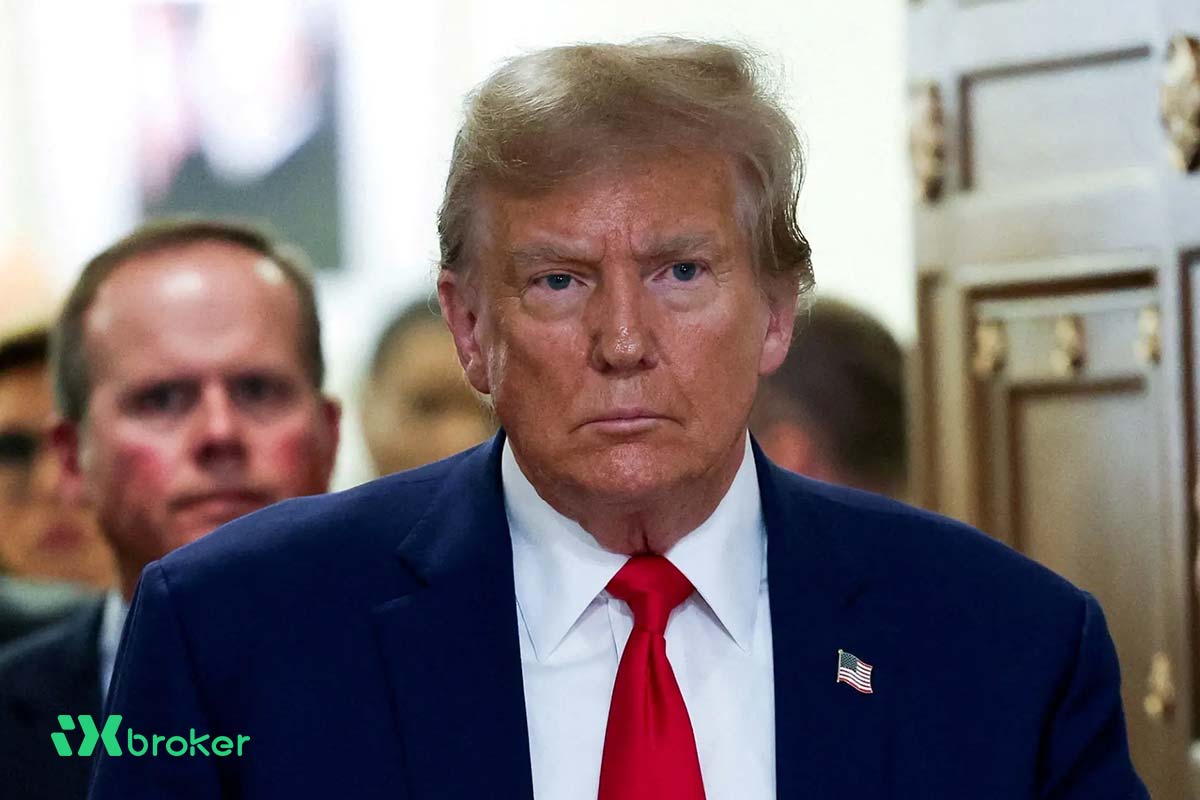
President Donald Trump said the United States will temporarily administer Venezuela until a new leadership transition is organized, following a US military operation that captured President Nicolás Maduro and removed him from power.
Speaking Saturday at a news conference at his Mar-a-Lago estate in Florida, Trump said Washington would take control to prevent a repeat of past political failures. “We’re going to run the country until such time as we can do a safe, proper and judicious transition,” he said, adding that the goal was to avoid installing another leader who would recreate years of instability.
US oversight and focus on oil infrastructure
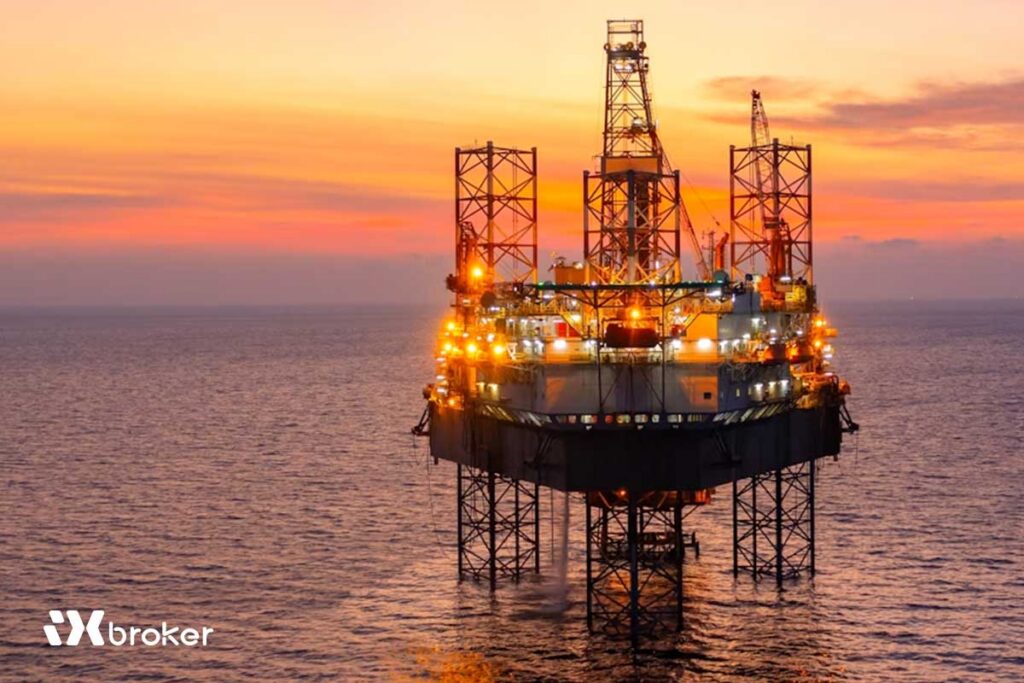
Trump said the interim administration would prioritize restoring Venezuela’s oil industry, with major US energy companies expected to play a central role. He stressed that American firms would invest billions of dollars to rebuild deteriorated infrastructure, even as a broader US embargo on Venezuelan oil remains in effect.
“We’re going to have our very large United States oil companies — the biggest anywhere in the world — go in, spend billions of dollars, fix the badly broken infrastructure, the oil infrastructure, and start making money for the country,” Trump said, noting that US forces would remain on alert during the transition.
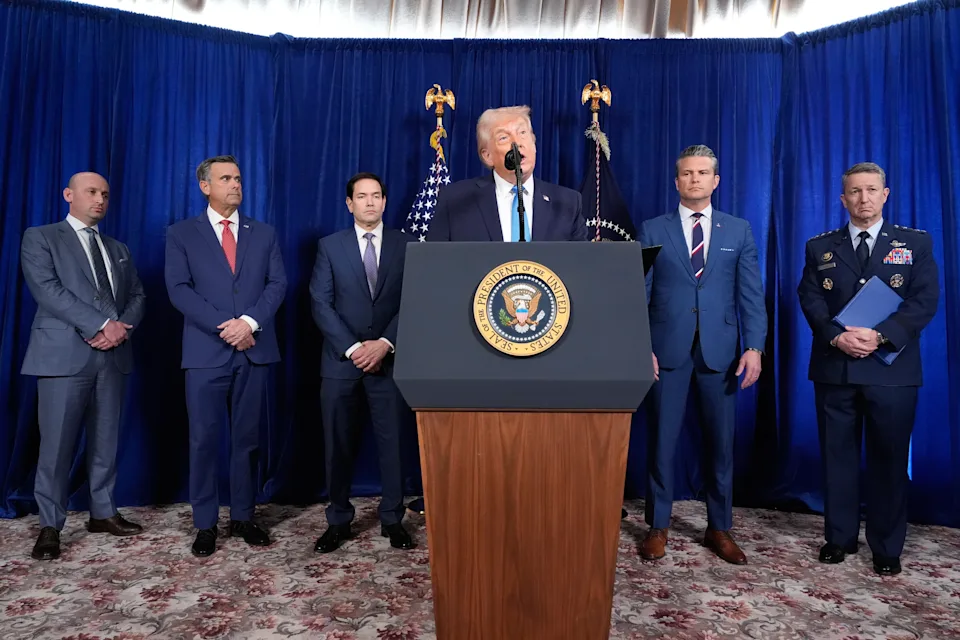
The president provided limited details on governance, saying the country would be run by a group largely composed of senior US officials, with an emphasis on stabilizing oil production and ensuring basic conditions for the Venezuelan population.
Diplomatic signals and internal pushback
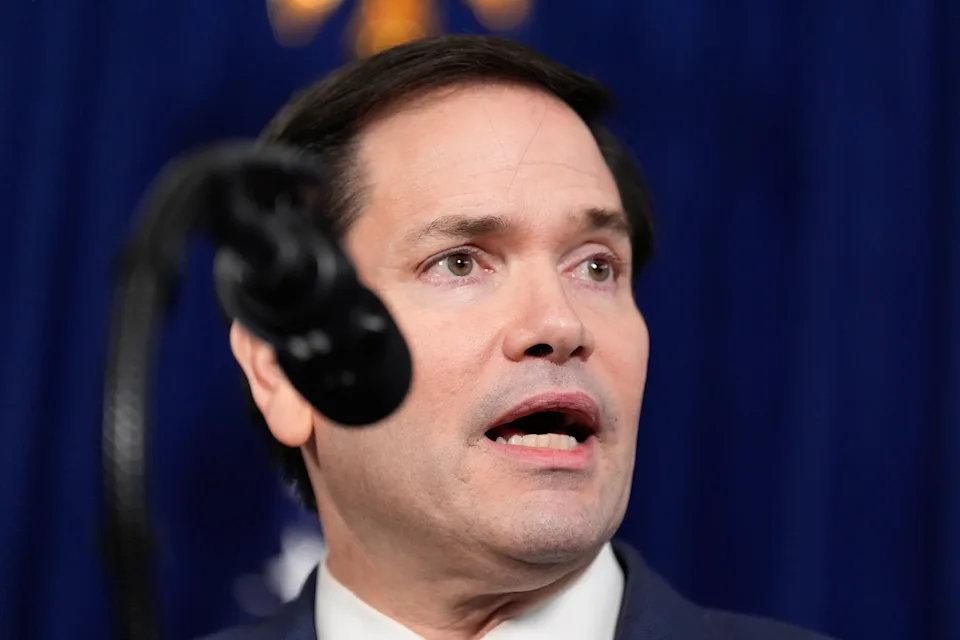
Trump said Secretary of State Marco Rubio had recently spoken with Venezuelan Vice President Delcy Rodríguez and expressed confidence that she would cooperate with US authorities. Rodríguez, however, publicly denounced Maduro’s arrest as a “kidnapping” and a “barbaric” act, insisting Venezuela would never become a colony and demanding his return.
Asked whether US troops would be deployed on the ground, Trump said he was not opposed to the idea if needed to ensure proper administration. He later told the New York Post that US troops would not enter Venezuela if Rodríguez “does what we want.”
Maduro faces US charges
According to Trump, Maduro and his wife, Cilia Flores, were being transported to New York to face US indictments related to alleged drug trafficking, weapons offenses and conspiracy charges. He said no Americans were killed and no US military equipment was lost during what he described as a highly coordinated assault.
US Attorney General Pam Bondi said Maduro had been indicted on charges including narco-terrorism conspiracy, cocaine importation conspiracy and weapons-related offenses against the United States. Trump framed the operation as part of a long-running campaign against drug trafficking and terrorism, accusing Maduro of leading a criminal network responsible for flooding the US with illicit drugs.
Military operation and strategic posture
Joint Chiefs Chairman Dan Caine said the operation followed months of intelligence work and involved more than 150 aircraft, including F-22, F-35, F-18 and B-1 platforms, as well as remotely piloted drones. The strike was conducted at night to reduce civilian casualties and maximize surprise.
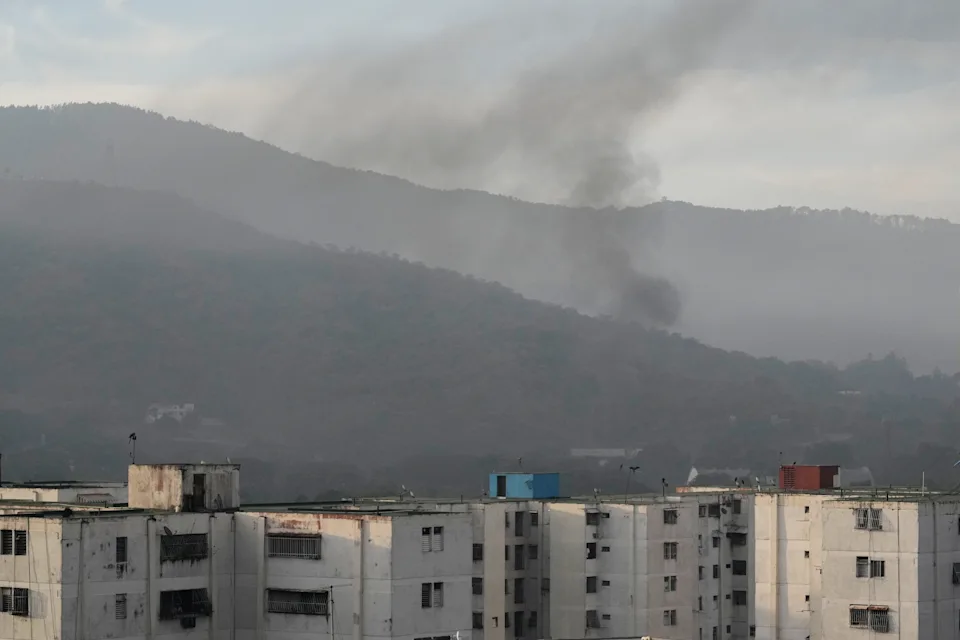
Caine said US forces encountered resistance near Maduro’s compound, with one helicopter damaged by fire before Maduro and his wife surrendered and were taken into custody. A small CIA team had reportedly been operating in Venezuela since August to monitor Maduro’s movements, contributing to the success of the mission.
Trump said the US had been prepared to carry out a second wave of strikes if necessary, warning that all military options remain on the table until US demands are met.
Geopolitical message and energy calculus
Trump linked the intervention to longstanding US policy in the Western Hemisphere, citing the Monroe Doctrine, and suggested that other countries in the region, including Cuba, could face similar pressure. He also argued that previous Venezuelan governments had expropriated American investments in the country’s energy sector.
“We built the Venezuela oil industry with American talent, drive and skill, and the socialist regime stole it from us,” Trump said, calling it one of the largest thefts of American property in US history.
Asked about relations with China, Russia and Iran, Trump said Venezuela’s oil resources would ultimately be sold to global buyers. “We’re in the oil business. We’re going to sell it to them,” he said.
Political reactions and uncertainty ahead
Trump was joined at the briefing by Rubio, Defense Secretary Pete Hegseth and Joint Chiefs Chairman Dan Caine, all of whom he said would be involved in managing the transition. He urged remaining Maduro loyalists to shift allegiance, warning that continued resistance would carry severe consequences.
The president also cast doubt on opposition leader María Corina Machado as a potential successor, saying she lacked sufficient support within the country. Machado said earlier that the opposition was ready to assume power and called on the armed forces to recognize Edmundo González as interim leader.
International reaction was mixed, with Russia and Colombia condemning the operation and calling for a UN Security Council meeting, while allies such as Argentina praised the move. In Washington, Senate Democratic Leader Chuck Schumer criticized the lack of congressional authorization and warned of the risks of prolonged US involvement, while Republican leaders welcomed Maduro’s capture but called for further briefings.
For markets, the unprecedented US intervention adds a new layer of geopolitical risk, particularly for energy prices and regional stability, as investors assess whether Washington’s interim control can translate into a durable political and economic transition in one of the world’s most oil-rich nations.
Ready to start trading Forex? Join iXBroker today and kick-start your trading journey now!