• Home
  • News
  • Trump Eyes Trade Deals with China in Coming Weeks as Tariffs Evolve
Author picture

iXBROKER delivers expert financial news, market analysis, and investment strategies across forex, stocks, commodities, and cryptocurrencies. Our comprehensive guides and insights empower both seasoned traders and beginners.

Trump Eyes Trade Deals with China in Coming Weeks as Tariffs Evolve

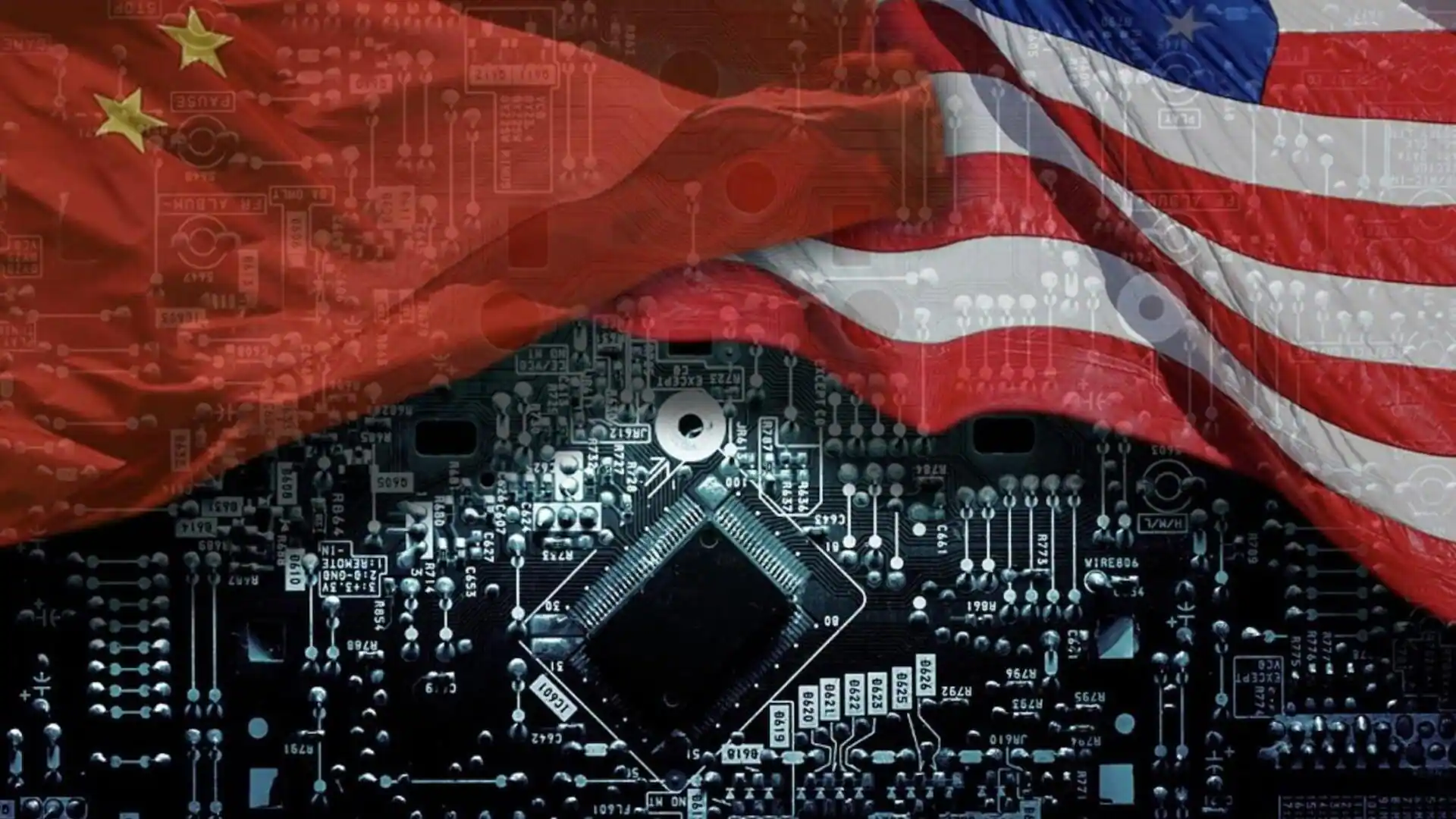
Trump's Push for Trade Deals and Tariff Adjustments: Key Developments in US-China Relations The ongoing tariff tensions between the United States and China continue to command attention, with markets closely monitoring any signs of de-escalation in trade conflicts. As Wall Street looks for signs of a thaw in the dispute, recent reports indicate potential shifts in tariff policies that could signal a step toward resolution. In a notable development, China has reportedly taken steps to ease pressure on its tech sector by quietly rolling back tariffs on certain US semiconductor products. According to Bloomberg, this tariff reduction is part of a broader effort by Beijing to alleviate the strain on its technology industry, which has been grappling with high import duties on essential components. This move is seen as a positive sign, suggesting that China may be open to further easing trade tensions with the US. Beyond semiconductors, China is also said to be considering tariff relief on key medical equipment and chemicals. This includes a potential exemption for US exports of ethane and liquefied petroleum gas (LPG), depending on the progress of ongoing trade discussions. Goldman Sachs analysts have suggested that these moves could indicate an intention to ease the burden on China’s manufacturing and healthcare sectors, which have been negatively impacted by the existing tariffs. This shift comes amid a complex backdrop of mixed signals from both nations. On the one hand, China’s Ministry of Commerce has publicly stated that the US should completely remove all unilateral tariffs to resolve the trade issue. Spokesman He Yadong emphasized that such actions would be necessary for meaningful progress in negotiations. On the other hand, President Trump has indicated that his administration is engaged in talks with Beijing, although he refrained from revealing specifics about the parties involved in the discussions. During a recent White House briefing, Trump confirmed that his team had held meetings with China that morning, adding a sense of urgency to the ongoing trade talks. The US president also expressed optimism about the possibility of securing several trade deals in the coming weeks, noting that much could fall into place within the next three to four weeks. Intensified Tariffs Between the US and China The tariff dispute between the world’s two largest economies has been marked by escalating duties on a wide range of products. In recent weeks, China increased its duties on US goods from 84% to 125%, while the US has imposed tariffs on Chinese imports, which have climbed to a "reciprocal" 125% rate. Additionally, the US has applied tariffs on a variety of goods, including specific Section 301 tariffs that range from 7.5% to 100%. The ongoing tariff war has created uncertainty in global markets and sparked concerns about the potential for a prolonged trade standoff. In response to these tensions, US Treasury Secretary Scott Bessent hinted at the possibility of a trade deal between the United States and South Korea in the near future. He praised South Korea’s approach to trade negotiations, suggesting that an agreement could be finalized as early as next week. Bessent’s comments reflect broader expectations that Trump’s administration will seek to finalize multiple trade agreements in the coming weeks. US Tariff Adjustments on Auto Parts and Consumer Technology In parallel with developments in the US-China trade war, President Trump has been exploring tariff exemptions for certain sectors. Notably, he is reportedly considering exempting some auto parts from the tariffs imposed in recent months. Additionally, the administration suspended tariffs on certain consumer technology products, but Trump has made it clear that these exemptions are temporary and that the levies will ultimately come into effect. The White House has also launched an investigation into the import of trucks, signaling the potential for tariffs on the sector in the near future. These moves reflect the administration’s ongoing strategy to leverage tariffs as a tool for trade negotiations, even as they remain a point of contention in global economic relations. Global Impact of Tariffs and Future Trade Negotiations The global implications of the US-China tariff dispute continue to reverberate throughout international markets. The 10% baseline tariff, which went into effect on April 5, remains in place for all imports affected by the trade war. As both sides continue to navigate the complex landscape of tariff policies and trade negotiations, there is cautious optimism among investors that a resolution may be in sight. While the situation remains fluid, developments such as China’s decision to ease semiconductor tariffs and Trump’s remarks about future trade deals offer hope for a de-escalation of tensions. The coming weeks are likely to be crucial in determining whether the two nations can reach a comprehensive agreement or whether tariff policies will remain entrenched in the global economic landscape.


Trump’s Push for Trade Deals and Tariff Adjustments: Key Developments in US-China Relations

The ongoing tariff tensions between the United States and China continue to command attention, with markets closely monitoring any signs of de-escalation in trade conflicts. As Wall Street looks for signs of a thaw in the dispute, recent reports indicate potential shifts in tariff policies that could signal a step toward resolution.

In a notable development, China has reportedly taken steps to ease pressure on its tech sector by quietly rolling back tariffs on certain US semiconductor products. According to Bloomberg, this tariff reduction is part of a broader effort by Beijing to alleviate the strain on its technology industry, which has been grappling with high import duties on essential components. This move is seen as a positive sign, suggesting that China may be open to further easing trade tensions with the US.

Beyond semiconductors, China is also said to be considering tariff relief on key medical equipment and chemicals. This includes a potential exemption for US exports of ethane and liquefied petroleum gas (LPG), depending on the progress of ongoing trade discussions. Goldman Sachs analysts have suggested that these moves could indicate an intention to ease the burden on China’s manufacturing and healthcare sectors, which have been negatively impacted by the existing tariffs.

This shift comes amid a complex backdrop of mixed signals from both nations. On the one hand, China’s Ministry of Commerce has publicly stated that the US should completely remove all unilateral tariffs to resolve the trade issue. Spokesman He Yadong emphasized that such actions would be necessary for meaningful progress in negotiations. On the other hand, President Trump has indicated that his administration is engaged in talks with Beijing, although he refrained from revealing specifics about the parties involved in the discussions.

During a recent White House briefing, Trump confirmed that his team had held meetings with China that morning, adding a sense of urgency to the ongoing trade talks. The US president also expressed optimism about the possibility of securing several trade deals in the coming weeks, noting that much could fall into place within the next three to four weeks.

Intensified Tariffs Between the US and China

The tariff dispute between the world’s two largest economies has been marked by escalating duties on a wide range of products. In recent weeks, China increased its duties on US goods from 84% to 125%, while the US has imposed tariffs on Chinese imports, which have climbed to a “reciprocal” 125% rate. Additionally, the US has applied tariffs on a variety of goods, including specific Section 301 tariffs that range from 7.5% to 100%. The ongoing tariff war has created uncertainty in global markets and sparked concerns about the potential for a prolonged trade standoff.

In response to these tensions, US Treasury Secretary Scott Bessent hinted at the possibility of a trade deal between the United States and South Korea in the near future. He praised South Korea’s approach to trade negotiations, suggesting that an agreement could be finalized as early as next week. Bessent’s comments reflect broader expectations that Trump’s administration will seek to finalize multiple trade agreements in the coming weeks.

US Tariff Adjustments on Auto Parts and Consumer Technology

In parallel with developments in the US-China trade war, President Trump has been exploring tariff exemptions for certain sectors. Notably, he is reportedly considering exempting some auto parts from the tariffs imposed in recent months. Additionally, the administration suspended tariffs on certain consumer technology products, but Trump has made it clear that these exemptions are temporary and that the levies will ultimately come into effect.

The White House has also launched an investigation into the import of trucks, signaling the potential for tariffs on the sector in the near future. These moves reflect the administration’s ongoing strategy to leverage tariffs as a tool for trade negotiations, even as they remain a point of contention in global economic relations.

Global Impact of Tariffs and Future Trade Negotiations

The global implications of the US-China tariff dispute continue to reverberate throughout international markets. The 10% baseline tariff, which went into effect on April 5, remains in place for all imports affected by the trade war. As both sides continue to navigate the complex landscape of tariff policies and trade negotiations, there is cautious optimism among investors that a resolution may be in sight.

While the situation remains fluid, developments such as China’s decision to ease semiconductor tariffs and Trump’s remarks about future trade deals offer hope for a de-escalation of tensions. The coming weeks are likely to be crucial in determining whether the two nations can reach a comprehensive agreement or whether tariff policies will remain entrenched in the global economic landscape.
Share:
Facebook
Twitter
Pinterest
LinkedIn
Related Posts
BTC tests $92K support amid liqu...

Bitcoin (BTC) briefly dipped below the $92,000 support level on

WTI rebounds above $56 as crude ...

Thursday’s Asian session, as a larger-than-expected inventory drawdown in the

USD/CAD climbs above 1.3850 as o...

The USD/CAD pair extends its rally for a fifth straight

Leave a Reply

Your email address will not be published. Required fields are marked *