An expert review of trading bots, their actual performance, and essential considerations for use in financial markets like Forex and cryptocurrency.
Introduction
In the modern world of financial markets, technology plays a vital role in accelerating and optimizing trading processes. One such technological advancement is the development of trading bots (also known as trading robots), designed to automate trading in markets such as Forex, stock exchanges, and cryptocurrencies. These automated systems claim to offer consistent and effortless profits by eliminating emotional decision-making and executing trades rapidly. However, in practice, trading bots face various challenges and limitations. This article offers a comprehensive analysis of trading bots’ functionality, market realities, benefits, drawbacks, and key points for their effective use.
-
What Are Trading Bots and How Do They Work?
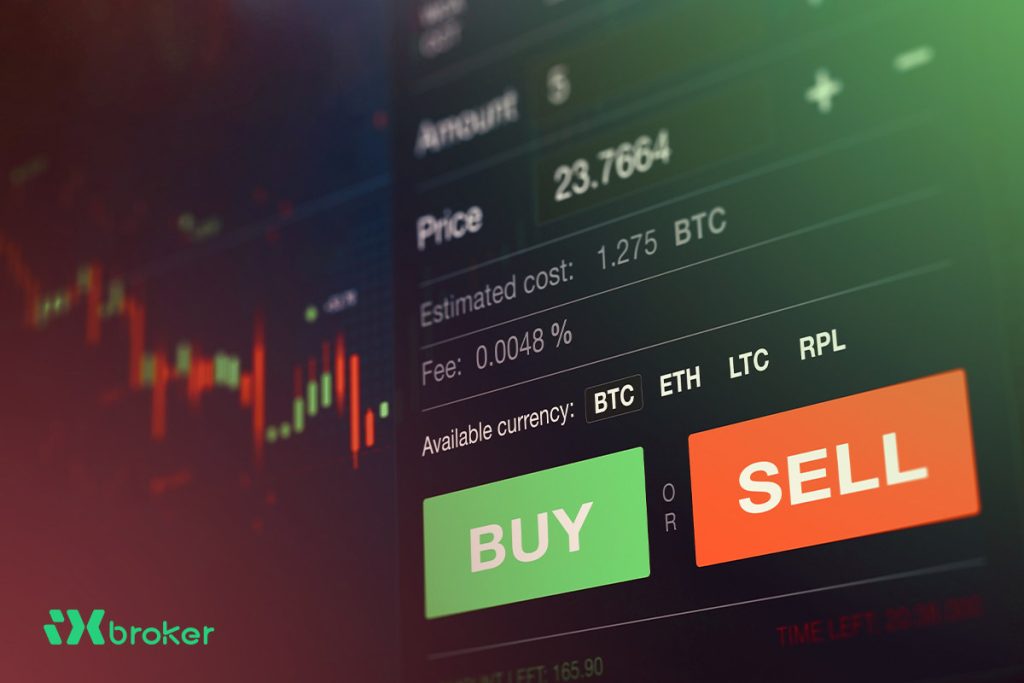
Trading bots are software programs that execute buy and sell trades automatically in financial markets based on pre-set algorithms and rules. These algorithms typically rely on technical indicators such as moving averages, RSI, MACD, trading volume, and other analytical parameters. More advanced trading bots utilize artificial intelligence and machine learning to analyze vast amounts of market data.
Their main advantage is the ability to operate 24/7 without interruption—especially useful in continuously active markets like cryptocurrencies. Additionally, crypto trading bots can analyze large volumes of data faster than humans and execute trades with high speed and precision.
-
Types of Trading Bots
Trading bots are generally categorized into three main types:
2.1 Bots Based on Technical Indicators
These bots operate using historical market data and technical analysis indicators. For instance, a bot may generate buy or sell signals based on the crossover of short- and long-term moving averages. Such bots are relatively simple and cost-effective but often perform poorly during high market volatility or unexpected events.
2.2 Intelligent Bots Using Artificial Intelligence
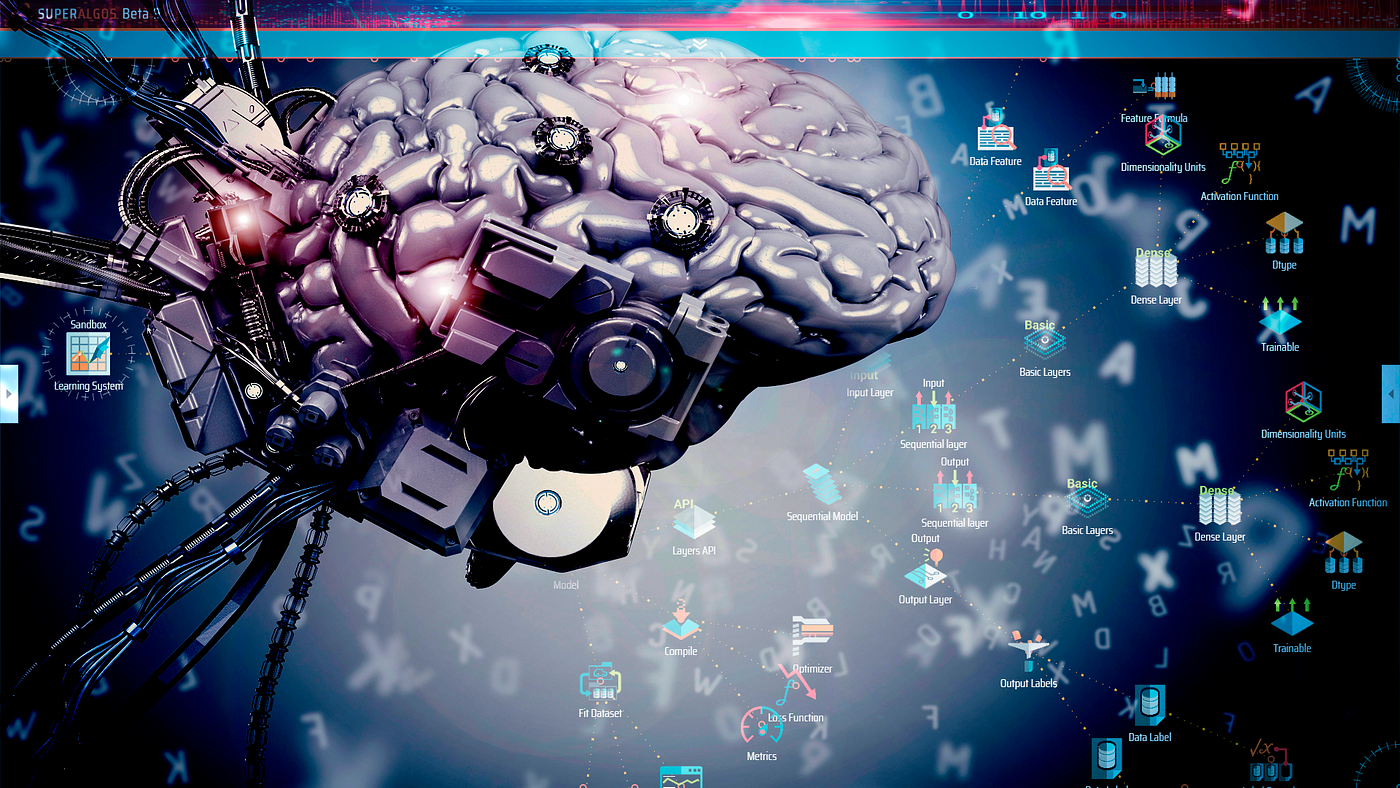
These bots leverage machine learning algorithms and AI to analyze massive volumes of historical and real-time data, identify patterns, and update their trading strategies accordingly. These Forex and crypto trading bots are more complex and expensive, requiring extensive and accurate data sources. However, they still do not guarantee long-term profitability.
2.3 Assistant Trading Bots
These bots function more as supportive tools, offering potential buy/sell signals while leaving the final decision and execution to the trader. Assistant trading bots carry lower risks and are primarily used for analysis and alerts.
-
The Reality of Trading Bots’ Profitability
3.1 Short-Term Profitability
Research and experience suggest that trading bots can be profitable over short periods and under specific market conditions. For example, in trending markets or during periods of low volatility, their performance is generally acceptable.
3.2 Poor Long-Term Performance
Over time, market changes, economic news, geopolitical factors, and sudden fluctuations reduce the effectiveness of trading bots—especially those built on historical data. Most automated systems fail to adapt quickly to new market conditions, leading to reduced profitability or even losses.
3.3 Significant Risks
Many investors use trading bots without proper knowledge, relying solely on the promise of easy profits. This often results in financial losses due to lack of oversight, over-reliance on bots, and poor risk management.
-
Challenges and Pitfalls of Trading Bots
4.1 Lack of Flexibility
Trading bots operate strictly based on predefined rules and algorithms, making them incapable of adapting to unforeseen events. Consequently, important news, sudden market shifts, or financial crises can disrupt their performance.
4.2 Dependence on Data Quality
The effectiveness of bots is highly dependent on the quality of their input data. Inaccurate, delayed, or incomplete data can lead to poor decisions and financial loss.
4.3 Exaggerated Marketing and Scams
The trading bot market is saturated with exaggerated claims. Some vendors promote bots with promises of huge profits, yet offer systems with minimal real performance—or worse, fraudulent software that leads to loss of capital.
4.4 Hidden Costs
Beyond the initial purchase price, trading bots often incur additional expenses, such as maintenance fees, server costs, updates, and trading commissions, which can reduce overall profitability.
-
Assistant Trading Bots: Useful Tools but No Substitute for Human Traders
Assistant trading bots, used primarily for analysis and alerts, can help traders better understand the market and make informed decisions. These bots suggest potential buy/sell signals, but ultimate control remains with the trader.
Their use can reduce human error and improve data analysis. However, a trader’s knowledge and experience remain crucial to success. Assistant bots are not substitutes for human expertise.
-
Key Tips for Smart Use of Trading Bots
- Thorough Research: Before purchasing any trading bot, carefully evaluate the vendor’s credibility, the bot’s performance history, and user reviews.
- Demo Testing: First test the bot in a risk-free demo environment to assess its functionality and effectiveness.
- Constant Monitoring: Never leave a trading bot unsupervised. Update its parameters based on current market conditions.
- Risk Management: Only allocate funds you can afford to lose, and always use stop-loss orders.
- Combine Knowledge and Technology: Bots are merely support tools—human insight, experience, and analysis remain irreplaceable.
-
Conclusion
Trading bots are sophisticated and innovative tools that can improve trading speed and accuracy. However, most of them tend to be profitable only in the short term. Due to algorithmic limitations and unpredictable market changes, they often lead to significant losses in the long run.
Using these systems without proper knowledge, experience, and supervision frequently results in capital loss. That said, the smart use of assistant bots—as supplementary tools paired with market knowledge and risk management—can enhance a trader’s chances of success.
Ultimately, success in financial markets is driven by a combination of knowledge, experience, analytical precision, and intelligent risk management—not merely by relying on automated technology.