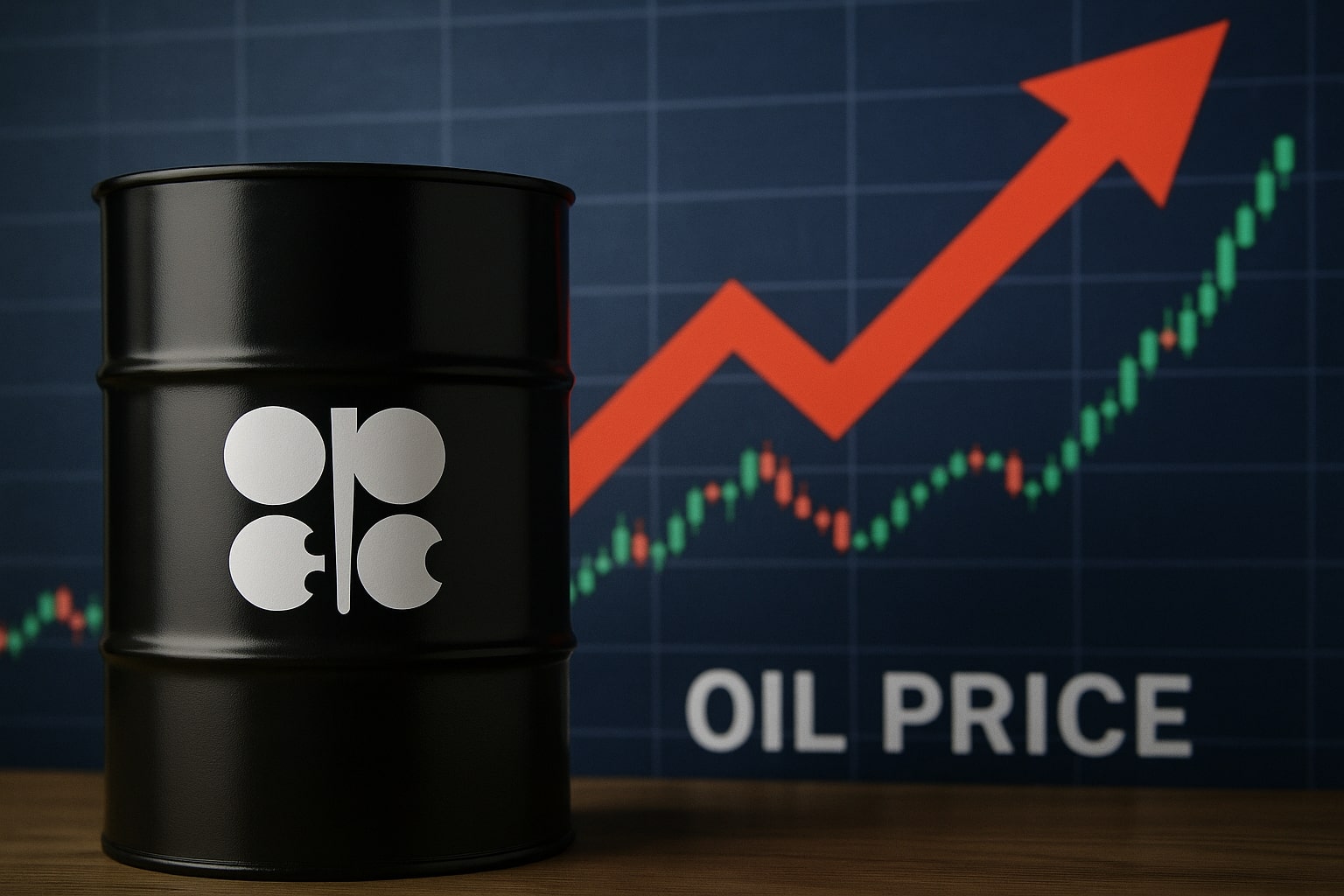
Oil prices fluctuated amid easing global trade tensions and potential OPEC+ supply increases. The extension of US tariffs on the EU and Iran negotiations remain key market drivers.
This week, the oil market experienced significant volatility as hopes for easing global trade tensions combined with the US extension of tariffs on the European Union failed to stabilize Brent crude prices above $65 per barrel. Meanwhile, potential production hikes from OPEC+ have kept prices under pressure.
Oil Price Fluctuations and Market Reaction to Tariff Extension
In recent days, the global crude oil market has seen price fluctuations challenging traders worldwide. Following US President Donald Trump’s decision to extend the deadline for imposing higher tariffs on imports from the European Union, global financial markets reacted positively. This move eased concerns related to the ongoing trade war and sparked a brief wave of optimism. Subsequently, Brent crude, which had earlier risen above $65 per barrel, lost some of its gains and retreated below that level.
Despite this optimism, oil prices remain pressured by concerns over a potential increase in supply from the OPEC+ coalition. Many market participants believe that any production increase by this group could tip the supply-demand balance toward greater supply, resulting in downward pressure on prices.
Concerns Over Possible OPEC+ Production Increase
The Organization of the Petroleum Exporting Countries (OPEC) and its allies, collectively known as OPEC+, are scheduled to meet soon to determine production policies. It is widely expected that they will consider increasing output for July. This prospect has raised market concerns that higher oil supply may exert further downward pressure on prices.
Ole Hansen, Head of Commodity Strategy at Saxo Bank, commented, “Commodity markets reacted as expected to the delay in tariffs. However, the primary market focus remains on the OPEC+ meeting, which could lead to a significant production boost.”
Impact of the Trade War on Oil Demand Outlook
Since early 2025, oil prices have been affected by broad trade tensions. The tariffs imposed by the US and retaliatory measures from its trading partners, especially the EU and China, have clouded the outlook for global oil demand. This environment has led traders to act with increased caution, resulting in greater price volatility.
US-Iran Negotiations and Their Effect on the Oil Market
Beyond trade and production issues, geopolitical developments continue to play a crucial role in shaping oil market dynamics. Recently, the US and Iran held talks in Rome, which Abbas Araghchi, Iran’s Foreign Minister and chief negotiator, described as potentially leading to an agreement limiting Iran’s nuclear program. Such diplomatic progress is seen as positive news for the oil market, as it could reduce geopolitical risks and positively influence prices.
Outlook for the Oil Market in the Coming Months
Overall, the oil market faces a complex set of circumstances in the coming months. On one hand, hopes for easing trade tensions and advances in Iran nuclear talks may support demand. On the other, the likelihood of increased OPEC+ production poses a risk of downward pressure on prices. Traders will need to closely monitor political developments, economic indicators, and OPEC+ meetings to navigate this volatile landscape effectively.