As the TON ecosystem scales rapidly within Telegram, its native blockchain is positioning itself as one of the most accessible entry points for global crypto adoption. According to Martin Masser, Head of Growth at the TON Foundation, the equation is simple: once users see what’s already possible inside Telegram, everything changes.
The Open Network (TON) has evolved from an experimental blockchain into a high-activity Layer-1 directly integrated with Telegram’s massive user base. With built-in wallets, payments, NFTs, and mini apps, TON is now one of the few ecosystems where daily users interact with blockchain tools without ever leaving their primary messaging app.
Masser says this seamless access is TON’s biggest advantage. “Whenever I talk to an audience, I ask who uses Telegram. Every hand goes up,” he explains. “It’s one of the top apps on people’s phones. That’s why TON feels like the natural blockchain for Telegram — it’s built for scale, with sharding and high throughput already in place.”
Yet he believes awareness is still lagging. Many Telegram users don’t realize that TON-powered features are already live. Once they discover what’s available — instant crypto transfers, on-chain stickers, blockchain games, or mini apps — they’re often surprised by how much can be done without installing anything new.
Attracting the next generation of crypto users
Crypto.news: TON’s integration with Telegram creates a unique advantage. How do you see this positioning?
Masser: The strength of TON starts with Telegram’s massive daily audience. People don’t just have Telegram installed — it’s one of their most-used apps. That makes it incredibly powerful as a distribution layer. TON fits naturally because its infrastructure is designed for scale. But the real gap is awareness. The ecosystem is already functioning inside Telegram; many users just haven’t noticed it yet.
Building awareness through mini apps and gaming
Crypto.news: Are there specific mini apps or use cases you recommend newcomers explore?
Masser: I have to be careful not to endorse individual projects, but several examples show what’s possible. Goat Gaming, Dropy, TON Battlegrounds, and Sixers Cricket demonstrate how Telegram’s social structure can merge with blockchain mechanics. The breakthrough is the removal of friction — no wallets to configure, no complicated onboarding. You click a link, connect your TON wallet, and you’re playing. This is casual, seamless Web3 gaming aligned with real user behavior.
Where Web3 adds value
Crypto.news: What’s the advantage of having these games on TON compared with traditional platforms?
Masser: Not every in-game action needs to be on-chain. The meaningful layer is digital ownership — NFTs and collectibles that provide utility, reputation, or gameplay perks. Communities can use them to shape engagement, and projects like Score Suite are already applying this with licensed sports collectibles. The goal isn’t speculative NFTs — it’s functional digital items that enhance user participation.
Expanding into real-world utility
Crypto.news: Beyond gaming, what TON use cases do people find genuinely useful?
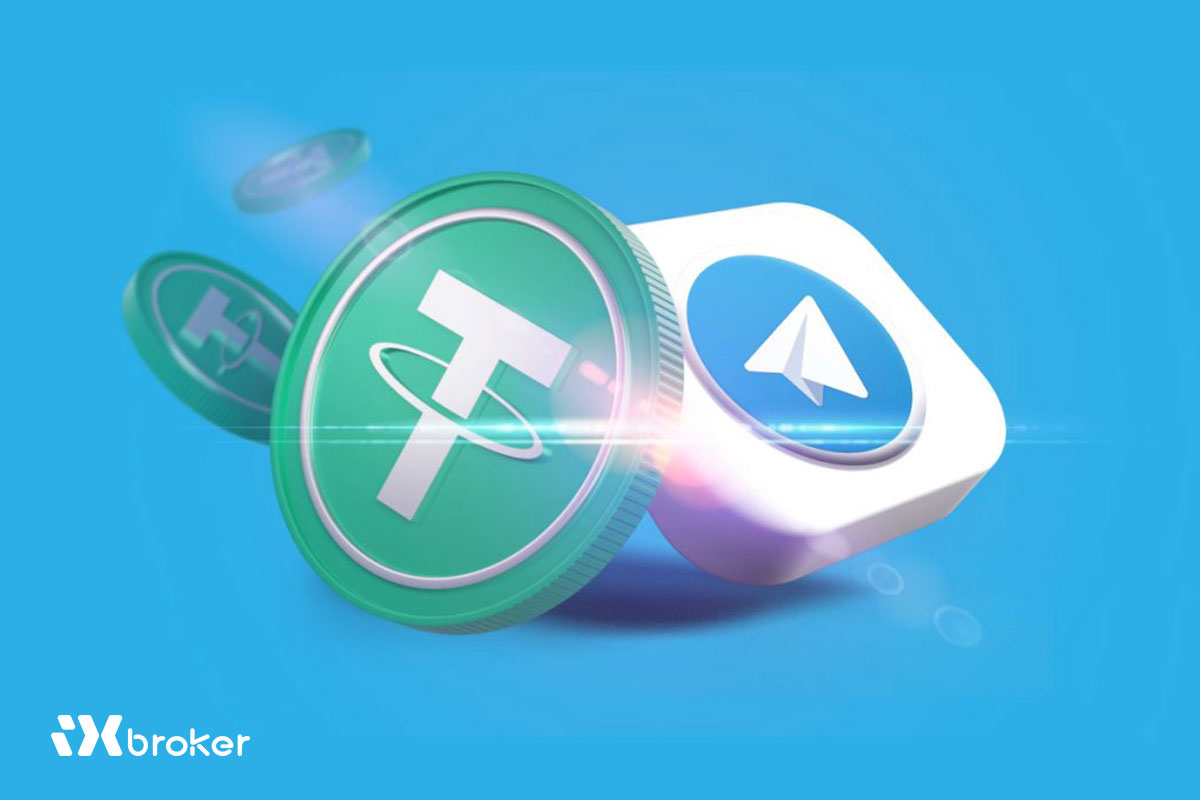
Masser: Instant transfers through Telegram are the biggest. You can send USDT or TON directly in chat with a simple command. It’s practical for real-world scenarios — splitting bills, paying friends, or making cross-border transfers. No middlemen, no fees, and no setup barriers. This is crypto functioning as everyday money.
Removing friction for users
Crypto.news: So the only requirement is loading some crypto into the Telegram wallet?
Masser: Exactly. You fund the wallet once, and Telegram automatically creates one for new recipients. After that, users can send assets, receive NFTs, or even stake — all within the same interface.
What developers see in TON
Crypto.news: What advantages do developers have when building on TON?
Masser: Telegram’s social distribution is unmatched. Developers are already communicating with communities there, so deploying inside the same environment makes sense. Mini apps spread virally — most user growth comes from friends sharing links in chats. The main challenge is improving developer documentation, and the Foundation is working to upgrade onboarding. The next unlock is awareness: most Telegram users have already interacted with mini apps like Hamster Kombat without realizing they’re powered by TON.
Telegram as a super-app
Crypto.news: Does Telegram’s rapid evolution create accessibility challenges?
Masser: I can’t comment on Telegram’s internal roadmap, but their product iteration is fast. TON and Telegram are separate entities, so any speculation wouldn’t be appropriate.
The rise of Telegram’s digital economies
Crypto.news: What parts of the ecosystem excite you most right now?
Masser: Telegram Gifts are creating a new digital economy. Marketplaces like TON Market and TON Portal allow users to trade or rent gifts, and developers build new utility layers on top. It’s similar to the early iPhone era — once the foundation existed, entirely new business models emerged. The same dynamic is forming around gifts, mini apps, and gaming.
Creators also benefit. With collectibles, Stars, and direct payments, Telegram finally gives creators tools to monetize without needing huge audiences. They can run exclusive groups, token-gated channels, or sell on-chain stickers — all inside the app.
The role of NFT 2.0
Crypto.news: How do stickers fit into this ecosystem?
Masser: Stickers made through Fuse, Telegram’s official store, use the NFT 2.0 standard. Royalties are enforced on-chain, meaning creators earn from every trade automatically. This gives artists ongoing incentives to engage communities and support their collections. It’s a sustainable model rather than a one-time sale.
A community-driven space mission
Crypto.news: Anything else you’d like to highlight?
Masser: The Sera Space Program is a standout initiative. We secured six seats on a Blue Origin flight, with five reserved for people from regions that rarely get access to space programs. Selection happens through on-chain voting on TON, all via Telegram.
It’s genuinely global and community-driven. Entire fan bases and national communities are backing candidates — it’s participatory, inclusive, and something that couldn’t happen without blockchain as the underlying infrastructure. This is the kind of real-world impact TON aims to enable.