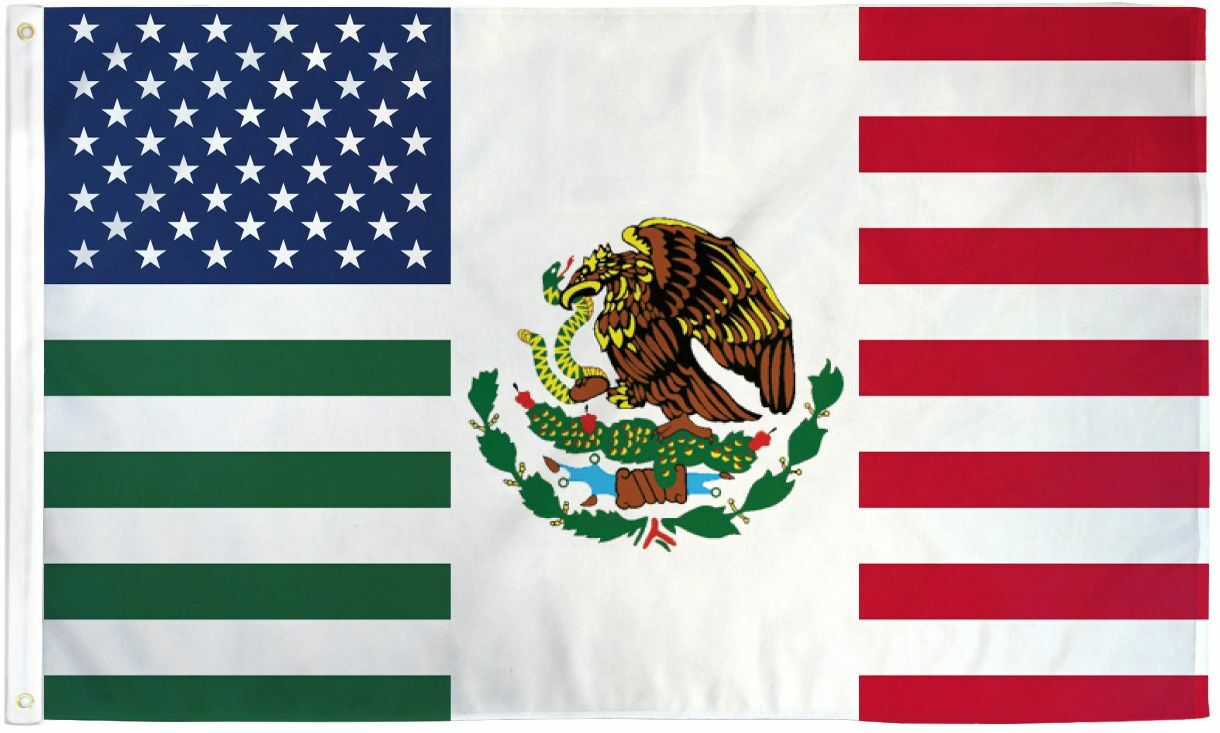
Mexico is expressing strong confidence that it can strike a deal with the United States to avoid the looming threat of 30% tariffs on its exports. Only a day after President Donald Trump used social media to confirm his plan to impose sweeping tariffs next month, Mexican President Claudia Sheinbaum appeared undeterred. Speaking at an event near the northern border, she pointed to prior successful negotiations and signaled that talks are already underway to avert the tariffs.
“We’ve had some experience with these things for several months now, and I think we’re going to reach an agreement with the United States government,” Sheinbaum stated at a clinic inauguration in Ensenada, Baja California.
Backdrop: Rising US-Mexico Tension
The relationship between Mexico and the US has grown more strained since June, marked by a sharp uptick in migrant roundups by US border agents, temporary border closures to livestock following a screwworm outbreak in Mexico, and inflammatory comments from high-ranking US officials. Recently, US Attorney General Pam Bondi categorized Mexico as an “adversary,” and the US Treasury announced sanctions against three Mexican financial firms accused of facilitating fentanyl trafficking.
Trump’s threat of new tariffs was accompanied by criticism of Mexico’s efforts to curb drug cartels, particularly regarding fentanyl smuggling into the US. Still, President Sheinbaum’s administration is quietly pushing ahead with negotiations, signaling optimism about Mexico’s position.
Ongoing Negotiations and Strategic Positioning
Behind the scenes, Mexican and US officials have already started discussions to resolve the tariff standoff. President Sheinbaum confirmed talks began on Friday—before Trump’s public announcement—with the aim to secure an agreement and preserve economic stability along the border. According to Bloomberg Economics’ Felipe Hernandez, Mexico enjoys a favorable position compared to many global competitors and may even benefit from US protectionist policies in the medium term if it can navigate these challenges successfully.
A critical point in the negotiations is whether the proposed 30% tariff will apply to goods meeting the conditions of the US-Mexico-Canada Agreement (USMCA). US officials suggest this exemption is being considered, but the details remain fluid.
Maintaining the USMCA exception is central for key industries like automotive manufacturing, which depend on unrestricted cross-border trade. If Mexico and Canada remain exempt for qualifying goods, the impact of Trump’s tariffs would be substantially reduced, offering both countries a crucial economic lifeline.
New US-Mexico Binational Working Group Established
In response to the latest tensions, Mexico and the US have formed a new binational working group to address pressing security, migration, and economic issues. Mexican Economy Minister Marcelo Ebrard announced on X (formerly Twitter) that the group would prioritize finding an alternative to the proposed tariffs and “protect jobs on both sides of the border.” The ministries of Economy and Foreign Affairs released a joint statement labeling the tariff threat “unfair” and vowing to pursue a solution.
Trump, for his part, has clarified that the broad 30% tariff would exist alongside sector-specific duties and warned that any retaliation by Mexico may prompt him to raise tariffs further. He tied the future of the tariffs explicitly to Mexico’s success—or failure—in controlling the country’s cartels.
“If Mexico is successful in challenging the Cartels and stopping the flow of Fentanyl, we will consider an adjustment to this letter,” Trump wrote.
Developments in the Ongoing Drug War
Coinciding with these economic and diplomatic moves, Joaquin “El Chapo” Guzman’s son pleaded guilty to federal drug-trafficking charges and agreed to cooperate with prosecutors. The US has long accused the Sinaloa Cartel of spearheading the fentanyl crisis, using chemicals imported from China and distributing illegal pills throughout North America.
Additionally, the US Treasury extended a deadline last week to sever three Mexican financial companies from the American financial system for their alleged role in laundering fentanyl profits. The US praised Mexico’s cooperation in these enforcement efforts.
Economic Insight: What Could Happen Next?
Economic analysts see these negotiations as crucial for regional stability. If Mexico secures an exemption from the 30% tariffs under USMCA, it could help prevent significant price hikes and supply chain disruptions within North America’s integrated economies. However, continued threats of tariffs inject volatility into trade relations, undermining long-term investment and confidence. For Mexico, demonstrating progress against drug cartels may prove key to maintaining access to the lucrative US market.
Ultimately, both sides have a significant economic incentive to reach a diplomatic resolution—avoiding a costly trade war that would harm businesses, workers, and consumers on both sides of the border.