Gold prices surged as Israeli strikes on Iran triggered fears of broader conflict. Analysts point to rising safe-haven demand amid geopolitical tension.
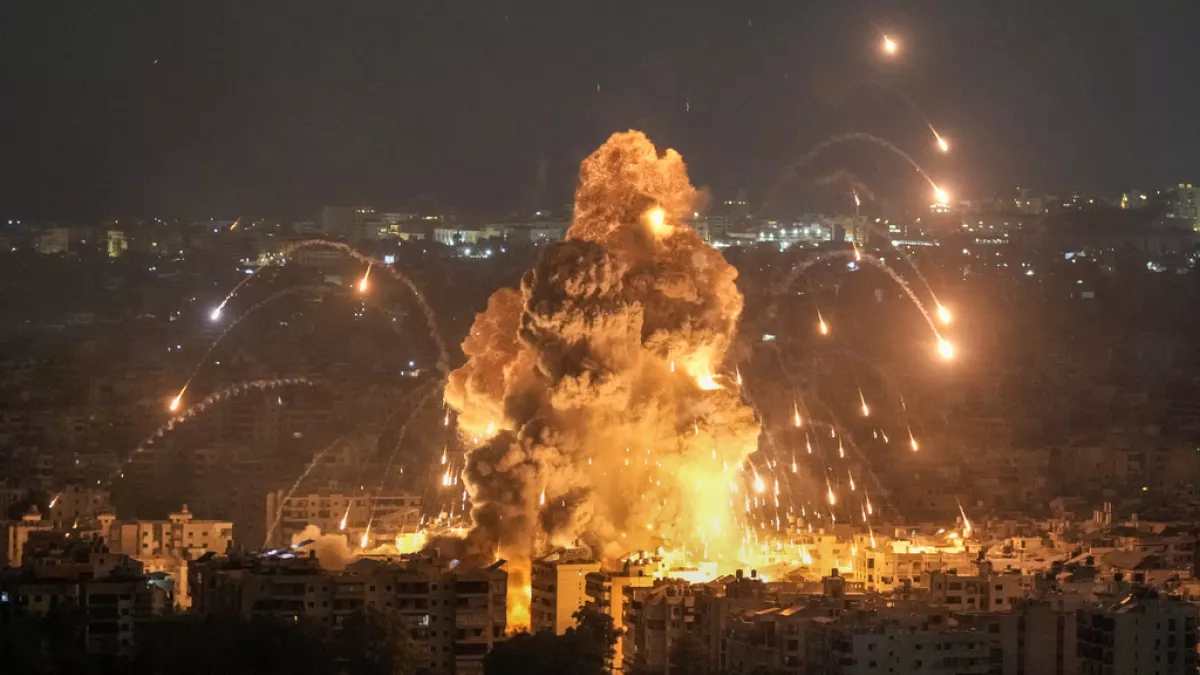
Gold prices surged globally after Israel launched airstrikes targeting Iran’s nuclear facilities and military command centers—a move that reignited geopolitical concerns and prompted investors to seek safety in traditional haven assets.
In the wake of Israeli airstrikes on Iran’s nuclear infrastructure and senior military leadership, gold prices soared amid heightened fears of escalating tensions in the Middle East. The geopolitical uncertainty has driven a sharp rise in demand for safe-haven assets, positioning gold once again at the center of market attention.
According to Bloomberg reports, the precious metal jumped as much as 1.8% in Friday’s trading session, approaching its historical high. The operation, ordered directly by Israeli Prime Minister Benjamin Netanyahu, targeted critical nuclear facilities and top military figures in Iran. Netanyahu stated that the campaign would continue until the “threat is eliminated.”
In response, Iran vowed a “severe retaliation” and launched over 100 drones toward targets inside Israel. Iranian state television reported the deaths of Hossein Salami, Commander of the Islamic Revolutionary Guard Corps (IRGC), and Mohammad Bagheri, Chief of Staff of the Iranian Armed Forces, in the strikes.
Market Reactions to Geopolitical Escalation
The rise in gold prices is widely seen as a direct reaction to shifting investor sentiment toward risk aversion. Market analysts highlight that the threat of Iranian countermeasures, including attacks on U.S. bases in the region, has added to global uncertainty and reinforced demand for hedging assets.
Charu Chanana, a market strategist at Saxo Capital Markets, noted: “The risk of Iranian retaliation, potentially targeting U.S. military positions, adds a layer of uncertainty that supports haven flows. Gold is not only a hedge against military conflict, but also against inflation and volatility in broader markets.”
Gold’s Performance Amid Global Tensions
Gold has climbed over 30% since the beginning of the year, driven by a combination of factors, including aggressive economic policies under U.S. President Donald Trump, geopolitical instability in regions such as Ukraine, and continued demand from central banks and sovereign wealth institutions.
Mark Andersen, Co-Head of Global Asset Allocation at UBS Switzerland AG, said in a Bloomberg TV interview: “Adding gold to our portfolios last year proved to be one of the smartest moves. It has protected us amid rising tensions in the Middle East, but also shields against concerns around debt levels, inflation, and global uncertainty.”
Uncertainty Surrounds Future Nuclear Talks
The attacks took place just days before Iran and the United States were scheduled to resume nuclear negotiations in Oman on Sunday. However, in light of the recent escalation, the likelihood of those talks proceeding as planned has significantly diminished. While the United States has denied involvement in the Israeli operation, Iranian officials have warned of possible retaliation against American interests in the region.
Meanwhile, copper futures—a barometer of economic growth and global trade sentiment—fell as much as 1.8% on the London Metal Exchange, reflecting market anxiety over potential disruptions to supply chains and global commerce resulting from extended regional conflict.
Conclusion
The latest military confrontation between Israel and Iran has had an immediate and profound effect on global markets. Gold’s sharp rally underscores its enduring role as a safe-haven asset in times of geopolitical distress. As uncertainties surrounding nuclear diplomacy and regional stability persist, investors are likely to maintain a cautious stance, with gold continuing to play a pivotal role in diversified portfolios.