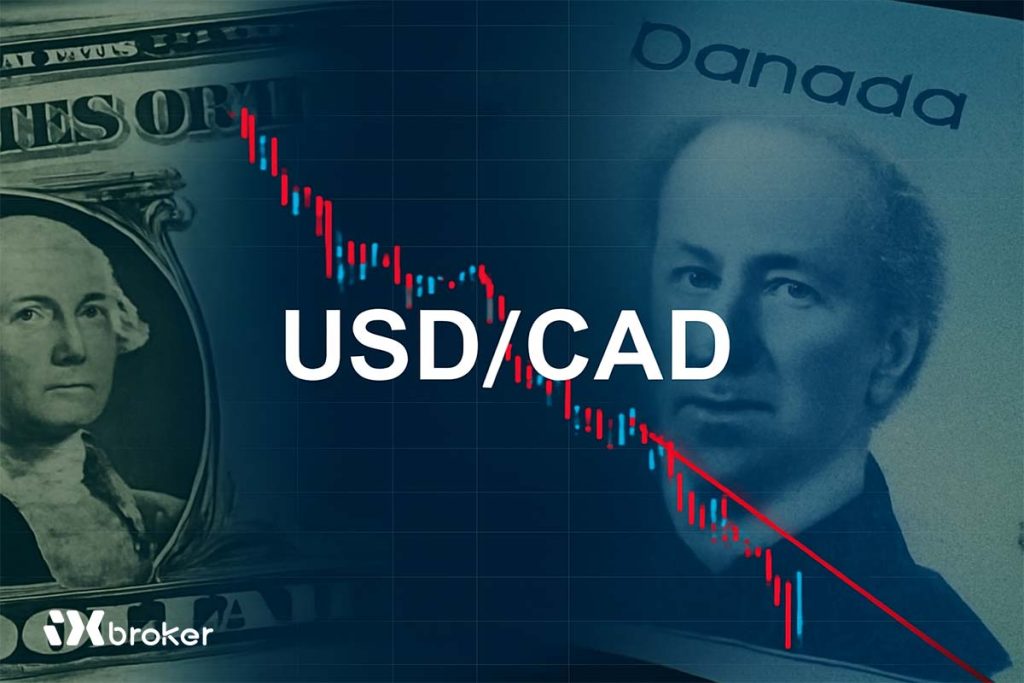
The value of the US dollar fell to its lowest level in a month following this week’s Group of Seven (G7) meeting, as traders and investors awaited signals regarding new US currency policies. Economic analysts believe that concerns over the budget deficit and potential shifts in US monetary and trade policies are intensifying downward pressure on the dollar.
The dollar hits a one-month low amid growing concerns over US budget deficits and currency policies discussed at the G7 summit, impacting global FX markets.
Dollar Index Falls to One-Month Low
The Bloomberg Dollar Spot Index declined by 0.4% on Wednesday, marking its third consecutive day of losses. Options markets reflected a surge in bearish sentiment, recording the most pessimistic one-month outlook on the dollar in five years. This negative sentiment stems primarily from ongoing concerns about the US budget deficit and its impact on the dollar’s value.
Ongoing Currency Discussions Between the US and Global Partners
South Korea’s finance ministry announced that discussions regarding currency policies with the US are ongoing, although no definitive decisions have been made yet. Meanwhile, Japan’s Finance Minister Katsunobu Kato stated that during the upcoming G7 summit, he will seek an opportunity to engage with his US counterpart, Scott Bessent, to discuss currency issues.
Expert Analysis on the Dollar’s Decline
Elias Haddad, a currency strategist at Brown Brothers Harriman & Co., noted in a client briefing that while the broad dollar decline may appear counterintuitive, it reflects a loss of confidence in US financial policies. He also highlighted rising stagflation risks and the Trump administration’s implicit support for a weaker dollar as additional downward forces on the greenback.
Conversely, currency strategists at Citigroup, led by Osamu Takashima, indicated that Washington is unlikely to aggressively pursue a weak dollar policy. Nonetheless, the dollar is expected to decline gradually as the US reaches agreements with trading partners to reduce tariffs.
Impact of the G7 Meeting on Currency Markets
Chris Turner, Head of FX Strategy at ING, remarked that the language describing currency policy at the G7 summit is likely to remain consistent. However, he cautioned that even minor changes in wording could trigger significant and sudden impacts on the dollar.
Geopolitical Developments and Their Effect on the Dollar
Amid rising geopolitical tensions, the Japanese yen and Swiss franc outperformed the dollar following reports suggesting Israel may be preparing for a potential strike on Iran’s nuclear facilities. The dollar weakened against all Group-of-Ten currencies, signaling a diminishing status as a safe-haven currency.
US Financial Markets Outlook and the Dollar
Morgan Stanley upgraded its outlook on US equities and Treasury securities but continues to anticipate further dollar weakness. This is due to the narrowing economic growth premium of the US relative to other countries and a shrinking yield gap.
Concerns Over the US Budget Deficit
Discussions continue in Congress over a tax-cut package, with Republicans attempting to limit revenue losses to $4.5 trillion over the next decade. Currently, the projected revenue loss stands at approximately $3.8 trillion. These fiscal concerns intensified after Moody’s downgraded US debt last week, citing the failure to halt a trend of substantial budget deficits, thereby increasing market apprehension.