China’s trade sector has delivered a surprise boost to its economy in the face of global turbulence, ending the first half of the year with a record trade surplus and unexpectedly strong export figures.
Record Surplus Despite Uncertainties
China closed H1 with a **record trade surplus of 586billion∗∗,accordingtotheGeneralAdministrationofCustoms.June’sexportssoaredby5.8586 billion**, according to the General Administration of Customs. June’s exports soared by 5.8% year-on-year to 586billion∗∗,accordingtotheGeneralAdministrationofCustoms.June’sexportssoaredby5.8325 billion, surpassing all major analyst forecasts, while imports rose 1.1%, marking the first import growth since February. These achievements come amid volatile international conditions and protectionist measures mounting around the world.
Wang Lingjun, deputy head of China’s customs administration, commented,
“China’s trade resisted pressure and progressed in the first half of the year… But we need to note that unilateralism and protectionism are on the rise globally. The external environment is becoming more complex, grim, and uncertain.”
Exports Find Alternatives As US Demand Sags
While shipments to the US dropped 16.1% year-on-year in June (recovering somewhat from a whopping 34% plunge in May), Chinese exporters successfully redirected trade to other markets. Notably, exports to ASEAN nations jumped by 17%, demonstrating China’s ability to adapt and diversify amid souring US trade relations.
This agility in diverting trade has helped stabilize China’s vast manufacturing sector, giving it a lifeline as the country battles against weak domestic demand, persistent deflation, and a deep property market slump.
A Shifting Tariff Landscape
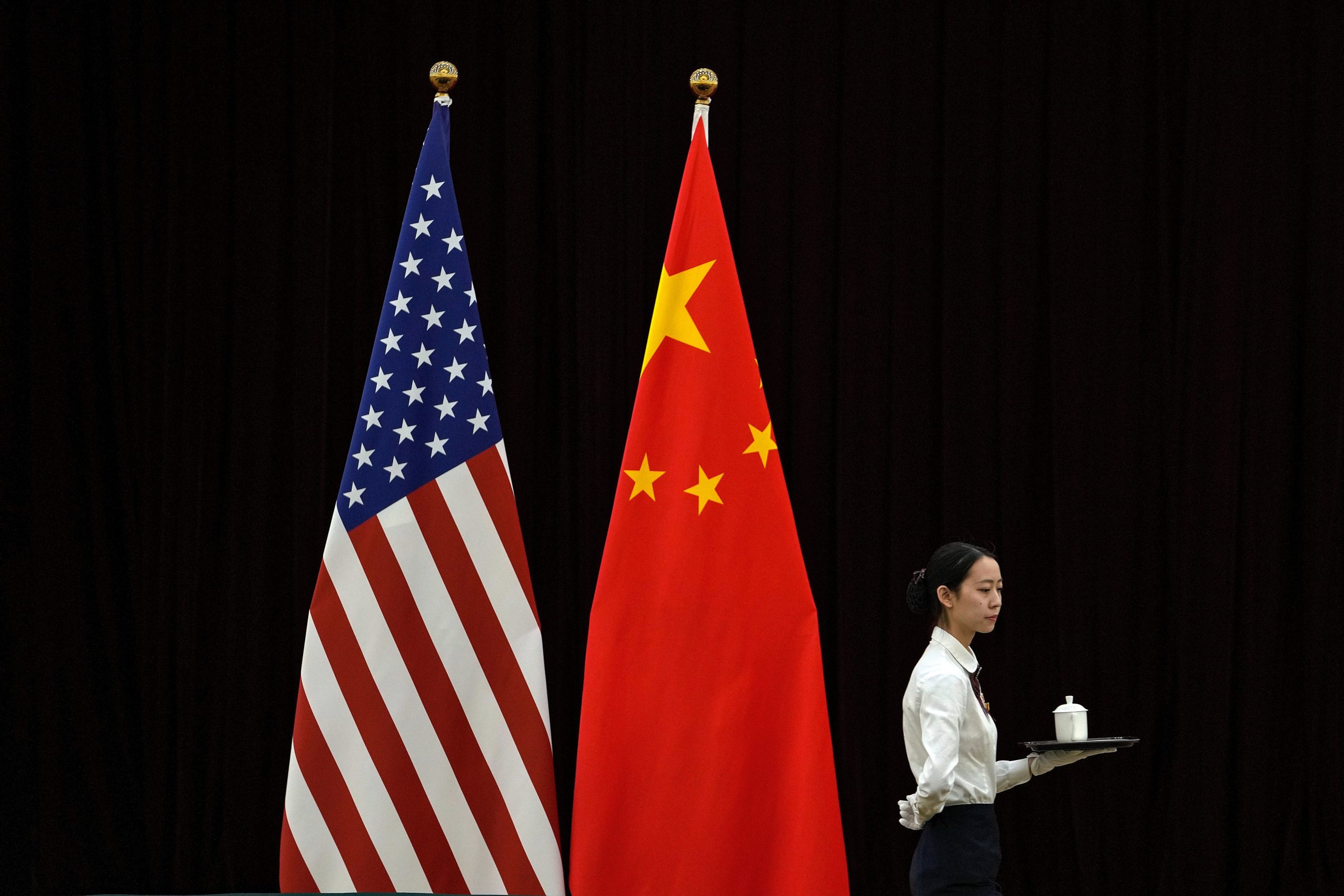
US-China trade friction remains a defining risk. The US government recently announced new tariffs—50% on copper imports, sectoral levies in the pipeline, and punitive duties aimed at curbing transshipment. The latest agreement with Vietnam, which sets a 20% tariff on Vietnamese exports to the US (and a 40% penalty for Chinese goods re-labeled and shipped via Vietnam), strikes directly at one of the more creative routes Chinese firms have taken to bypass tariffs.
While US duties on many Chinese goods have dropped from a 145% peak in April to about 55% now—thanks to the May Geneva trade talks—the overall environment remains tense and unpredictable.
Economist & Analyst Insights
According to Goldman Sachs,
“The pick-up in headline export growth mainly reflected the rebound of US-bound exports in June, likely due to the substantial tariff reduction following the US-China trade talks in Geneva in May… Both export and import growth surprised to the upside.”
Eric Zhu of Bloomberg Economics warns the rebound “may not last long” given continued tariff threats and global protectionist trends.
The Chinese government, meanwhile, expects GDP growth of about 5% for Q2, alleviated in part by strong front-loaded exports. Zhiwei Zhang, chief economist at Pinpoint Asset Management, adds:
“The strong exports help to partly offset the weak domestic demand and likely keep GDP growth around the government’s 5% target.”
iX Deep: Outlook and Market Implications
China’s impressive export performance adds near-term support to its economy, offsetting internal challenges such as deflation and housing market malaise. However, risks remain elevated:
- Future US tariffs (especially on transshipped goods) may erode these gains.
- The sustainability of export momentum is uncertain as global demand softens.
- Continuous trade diversions highlight China’s long-term pivot to Southeast Asia and emerging markets but could face hurdles from coordinated US tariff policy.
Markets are likely to remain volatile, and further protectionist moves may challenge China’s ability to sustain record surpluses in the months ahead.