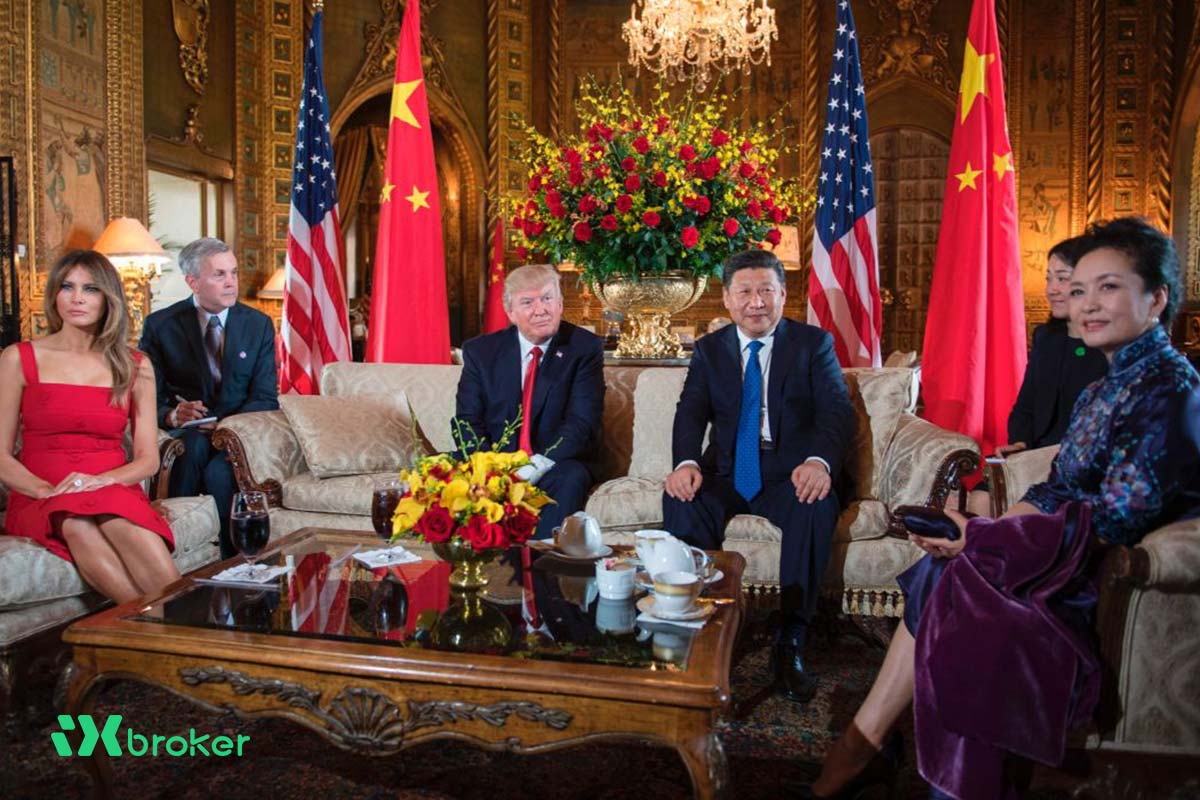
Bitcoin (BTC) held steady above $107,200 on Saturday, recovering from a weekly low of $103,660 as traders positioned ahead of a key geopolitical event — the upcoming meeting between U.S. President Donald Trump and Chinese President Xi Jinping.
The rebound also lifted several major cryptocurrencies, including Dash, Morpho, Bittensor, and Aster, each gaining more than 8% over the past 24 hours, according to CoinGecko data.
Investors ‘buy the dip’ amid broader Crypto weakness
The uptick in Bitcoin’s price appears to be driven by renewed “buy the dip” sentiment, as traders took advantage of steep declines across the market. Many digital assets have entered bear-market territory this month, dropping more than 20% from recent highs.
Broader sentiment across risk assets is improving as investors anticipate potential progress in U.S.–China relations ahead of the Asia-Pacific Economic Cooperation (APEC) summit in South Korea later this month.
Diplomatic efforts and trade tensions
U.S. Treasury Secretary Scott Bessent, following a contentious exchange with Li Chenggang, China’s top trade negotiator, confirmed on Friday that he met with He Lifeng, his Chinese counterpart, in Malaysia, with plans for a follow-up meeting next week.
Trade tensions between the two economic giants remain elevated. As of September, China’s average tariffs on U.S. exports exceed 32%, covering nearly 100% of traded goods. Beijing has also announced new export controls on rare earth materials and magnets, a move that could significantly impact U.S. manufacturing, given China’s 80% global market share in the sector.
In addition, China has halted imports of U.S. soybeans, urged domestic firms to avoid Nvidia chips, and launched an investigation into Qualcomm. In response, President Trump has threatened to raise tariffs on Chinese exports to as high as 130% by November 1, up from the current 30% minimum rate.
Market outlook: potential deal could boost crypto and stocks
A breakthrough in negotiations between Washington and Beijing could provide a bullish catalyst for both equity and crypto markets, easing geopolitical risk and inflationary pressure.
Lower inflation expectations would strengthen the case for the Federal Reserve to continue its interest rate cuts, supporting liquidity-sensitive assets like Bitcoin.
Caution: is the rally sustainable?
However, some analysts warn that the latest crypto rebound may prove to be a dead-cat bounce (DCB) — a temporary recovery before resuming a broader downtrend.
According to Bloomberg, Chinese officials told global counterparts that the rare-earth export restrictions were a retaliatory measure against U.S. sanctions targeting subsidiaries of blacklisted Chinese firms.
Market observers note similar behavior last week, when Bitcoin and major altcoins rebounded briefly after Friday’s crash, only to resume their declines soon after.
If tensions persist and risk sentiment falters, Bitcoin could once again face pressure — particularly as traders reassess global trade uncertainty and its implications for monetary policy.