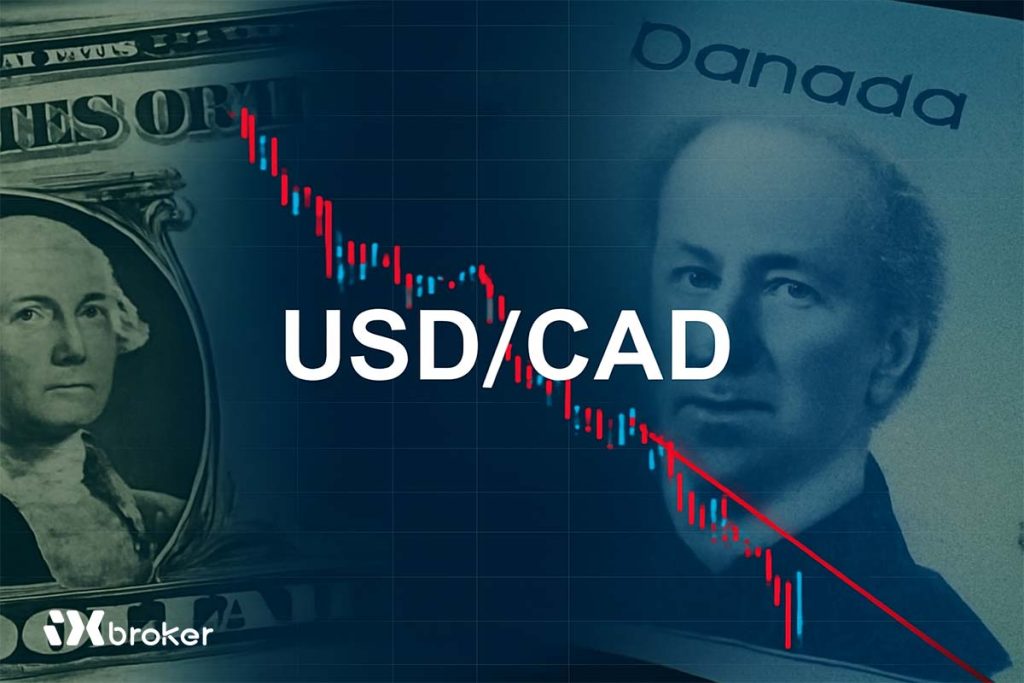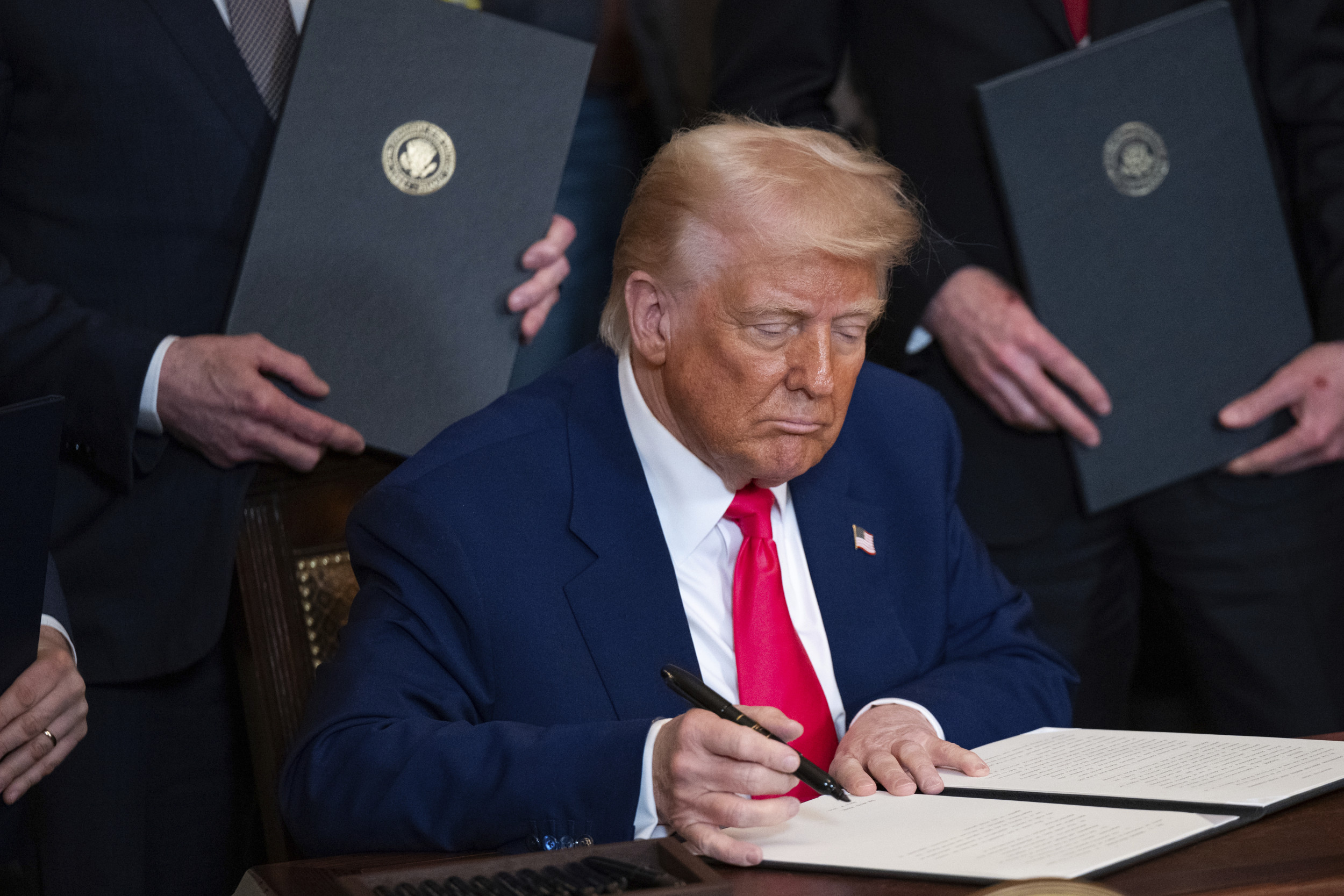
A U.S. court ruling against Trump-era tariffs eased markets but raised fresh concerns over global trade policy.
A recent ruling by the U.S. Court of International Trade declaring key Trump-era tariffs unlawful has triggered mixed reactions across global financial markets. While some investors welcomed the decision with relief, the broader economic implications have injected new uncertainty into global trade policy.
Trump’s Trade Strategy Faces Legal Pushback
In a development closely watched by global economic and political circles, the U.S. Court of International Trade has struck down a major portion of tariffs imposed during former President Donald Trump’s administration, declaring them unlawful. The ruling, issued on Wednesday, not only brought some stability to financial markets but also raised pressing questions about the future of U.S. trade relations.
The court’s decision challenges one of Trump’s core economic policies—leveraging tariffs to pressure trading partners—and significantly limits presidential powers in this regard. While the Trump administration announced plans to appeal the ruling, analysts say the climate of uncertainty around global trade will likely persist.
Market Reaction and International Response
Following the announcement, U.S. stock index futures climbed over 1.5%, while the dollar strengthened by 0.2% against the yen and 0.3% against the Swiss franc. Sectors previously hurt by trade disruptions—such as semiconductors, banking, luxury goods, and automotive—saw immediate gains.
On the diplomatic front, key U.S. trading partners remained tight-lipped. Germany’s Economy Ministry stated: “We ask for your understanding that we cannot comment on the legal proceedings in the U.S., as they are still ongoing. We continue to hope that a mutually beneficial solution can be reached in the negotiations between the EU Commission and the U.S. government.”
Political and Economic Ramifications
The ruling comes at a time when Trump had already suspended many of the tariffs for 90 days following backlash from financial markets after a major tariff announcement on April 2. He promised to pursue bilateral trade agreements during that pause. However, aside from a recent agreement with the United Kingdom, negotiations with other partners have seen little progress.
Analysts warn that the legal setback could discourage countries such as Japan from rushing into trade deals with the U.S., potentially delaying diplomatic progress.
George Lagarias, Chief Economist at international advisory firm Forvis Mazars, commented: “Assuming the appeal doesn’t succeed in the coming days, the key takeaway here is time—time to prepare, and a ceiling on the breadth of tariffs, which can’t currently exceed 15%.”
Impact on Major Corporations
Trump’s trade war has left a lasting impact on various industries—from luxury fashion and athletic footwear to household appliances and automobiles. Rising raw material costs, disrupted supply chains, and the need to rethink corporate strategies have forced major companies like General Motors, Ford, and beverage giant Diageo to abandon their earnings forecasts for the year.
Conclusion
While the court ruling may be seen as a step toward curbing unilateral trade actions, the legal uncertainty and potential appeals mean that markets and policymakers remain in a holding pattern. Ultimately, this development could set the stage for a broader reassessment of America’s role in the global trade system.