اخبار

Europe Ready to Offer €50 Billion to Trump
اروپا آماده ارائه پیشنهاد 50 میل...

کمیسیونر تجارت اتحادیه اروپا، ماروش سفکوویچ، اعلام کرد که بروکسل

Significant Surge in S&P 500 Profit for Q1; Decline in Q2 Forecasts
افزایش چشمگیر سود S&P 500 در...

در حالی که عملکرد مثبت شرکت‌های بزرگ فناوری، چشم‌انداز سود

S&P 500 Poised for Strongest Rally Since March 2022 Amid Tariff Turmoil
S&P 500 در مسیر بهترین بازده...

S&P 500 در مسیر بهترین بازدهی از مارس 2022 با

Stocks Face Uncertainty Amid Trump's First 100 Days in Office: A Rocky Start for the Markets
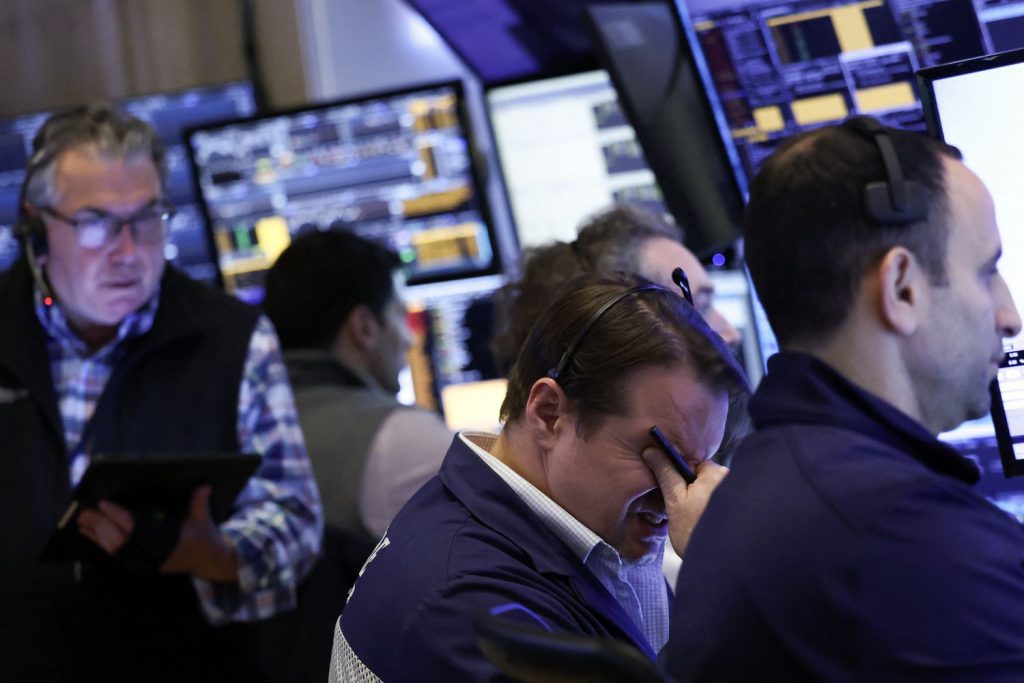
As President Donald Trump completes his first 100 days in office, stock markets have experienced one of the most tumultuous starts since the presidency of Richard Nixon in 1973. Amid soaring volatility and shifting policies, the markets are grappling with the impact of trade tensions, tariffs, and a general sense of unease that investors fear may persist for the foreseeable future.
The landscape for stocks, bonds, and currencies has been marked by heightened volatility, which has left investors uncertain about the future trajectory of financial markets. As analysts and traders recalibrate their expectations for the next phase of economic and political developments, they are contending with a scenario that could potentially usher in an era of semi-permanent uncertainty.
Volatility Hits New Highs
One of the most glaring indicators of investor anxiety has been the rise in volatility across global markets. In early April, the Cboe Volatility Index (VIX), which tracks options-based investor fear, surged to its highest level in five years. Alongside this, volatility in both foreign exchange and bond markets also spiked, underscoring the widespread unease among market participants. While these volatility indicators have since receded, they remain significantly elevated compared to pre-inauguration levels.
Futures for stock volatility suggest that this heightened uncertainty is likely to persist in the coming months, as traders anticipate that the current political and economic instability will continue to influence financial markets. According to Matt Thompson, co-portfolio manager at Little Harbor Advisors, the uncertainty generated by President Trump’s policies has created an environment that is expected to remain volatile for the foreseeable future. He noted, “I think they’ve injected a sort of semi-permanent uncertainty here,” referring to the ongoing market unease.
S&P 500 Faces Sharp Declines
The volatility of Trump’s first 100 days has had a tangible impact on the performance of U.S. equities, particularly the S&P 500 index. The benchmark index has seen a sharp decline, falling approximately 8% since Trump’s inauguration. This marks one of the worst performances for the S&P 500 during the first 100 days of a new administration in recent memory. Notably, this downturn comes after the index reached record highs within the first month of Trump’s presidency, highlighting the stark reversal that has since taken place.
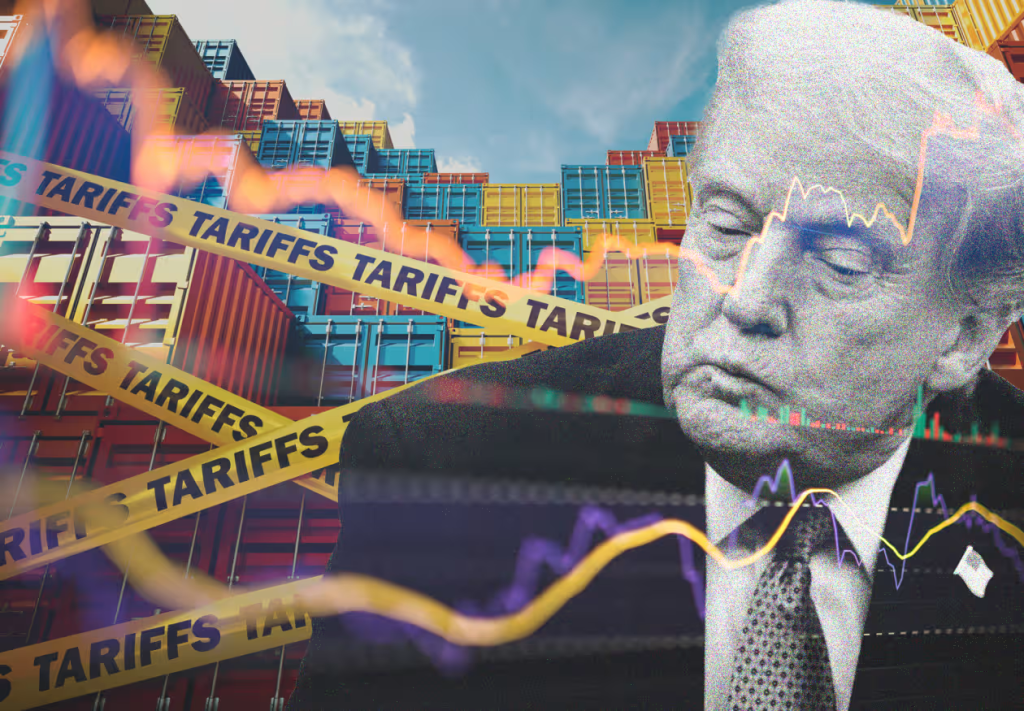
Much of this decline can be attributed to concerns over the potential economic fallout from trade policies and tariffs. As the U.S. implements new tariffs on goods from key trading partners, the resulting disruption in global trade flows has raised fears of slowing economic growth, rising inflation, and reduced consumer spending. These concerns have weighed heavily on investor sentiment, contributing to the overall market volatility.
The Dollar Struggles
In addition to the turbulence in equities, the U.S. dollar has also faced significant challenges in Trump’s first 100 days. The dollar index has fallen by approximately 9%, marking its worst performance in the early months of any presidency in modern history. This drop in the value of the dollar signals growing skepticism among investors regarding U.S. assets, as concerns over the impact of Trump’s economic policies continue to weigh on global market sentiment.
Despite these challenges, the U.S. Treasury market has shown some resilience. According to the ICE Bank of America United States Treasury Index, U.S. Treasury returns during the first 100 days of Trump’s second term were the second highest in recent presidential history, only trailing the returns during Bill Clinton’s first term. This suggests that, despite the broader volatility in other markets, investors still view U.S. government debt as a relatively safe haven.
A Shifting Global Trade Landscape
One of the underlying factors contributing to the market turbulence is the ongoing transformation of global trade. As Jack Ablin, chief investment officer at Cresset Capital in Chicago, explained, the world is undergoing a “secular shift in global trade” that began in the early 1980s. The recent changes brought about by Trump’s trade policies are exacerbating these shifts, with major implications for businesses, investors, and consumers alike.
The introduction of tariffs, while temporarily paused in some cases, has added a layer of unpredictability to the global economic environment. Investors are left questioning whether this volatility is a temporary phase or if it signals a fundamental change in how international trade and finance will operate in the future.
A Mixed Political Response
The White House has largely refrained from commenting directly on the market declines during Trump’s second term, though it has highlighted other accomplishments, including efforts to curb inflation and secure significant investment commitments from major companies. According to White House spokesperson Kush Desai, the administration has made progress on reducing inflation, citing the first monthly price drop in years recorded in March’s inflation report. Additionally, corporate giants such as Apple, Hyundai, and Nvidia have made substantial investments in reshoring manufacturing to the U.S., a move that the administration views as a positive sign for the U.S. economy.
However, the broader market reaction suggests that investors remain cautious, uncertain about the long-term impact of Trump’s economic policies. With trade tensions continuing to simmer and the economic outlook uncertain, it seems likely that the financial markets will remain volatile for the time being.
Conclusion: A Period of Heightened Uncertainty
As President Trump enters his second term, his administration's policies are continuing to shape the economic landscape. With a rocky start to his presidency, the markets are signaling that volatility and uncertainty may persist for the foreseeable future. Investors will need to remain vigilant, adjusting their strategies to navigate a market that is increasingly characterized by unpredictability and shifting global dynamics.
سهام با بدترین شروع 100 روزه از ...

سهام در دوران 100 روز اول ترامپ با بی‌ثباتی مواجه

White House Approves Tariff Relief for U.S. Automakers
کاخ سفید تخفیف تعرفه‌ای برای خود...

در اقدامی تازه و مهم، دولت ایالات متحده از طرحی

China Lowers Tax Refund Threshold for Foreign Tourists
کاهش حداقل مبلغ مالیاتی برای تور...

دولت چین به منظور تحریک مصرف و مقابله با فشارهای

US Pharmaceutical Tariffs Could Increase Drug Costs by $51 Billion Annually
تعرفه‌های دارویی جدید آمریکا می‌...

طبق گزارشی که توسط گروه تجاری داروسازی آمریکا سفارش داده

Bank of America’s Hartnett Advises to Sell the Rebound in US Stocks and Dollar
هشدار هارتنت از بانک آمریکا: فرو...

سرمایه‌گذاران باید در زمان بازگشت بازارهای سهام و دلار آمریکا

Wall Street Unfazed by Rising Bond Yields Despite Market Shifts
وال استریت بی‌توجه به افزایش باز...

وال استریت آرام باقی می‌ماند، علی‌رغم افزایش بازدهی اوراق قرضه

Trump's Push for Trade Deals and Tariff Adjustments: Key Developments in US-China Relations
The ongoing tariff tensions between the United States and China continue to command attention, with markets closely monitoring any signs of de-escalation in trade conflicts. As Wall Street looks for signs of a thaw in the dispute, recent reports indicate potential shifts in tariff policies that could signal a step toward resolution.
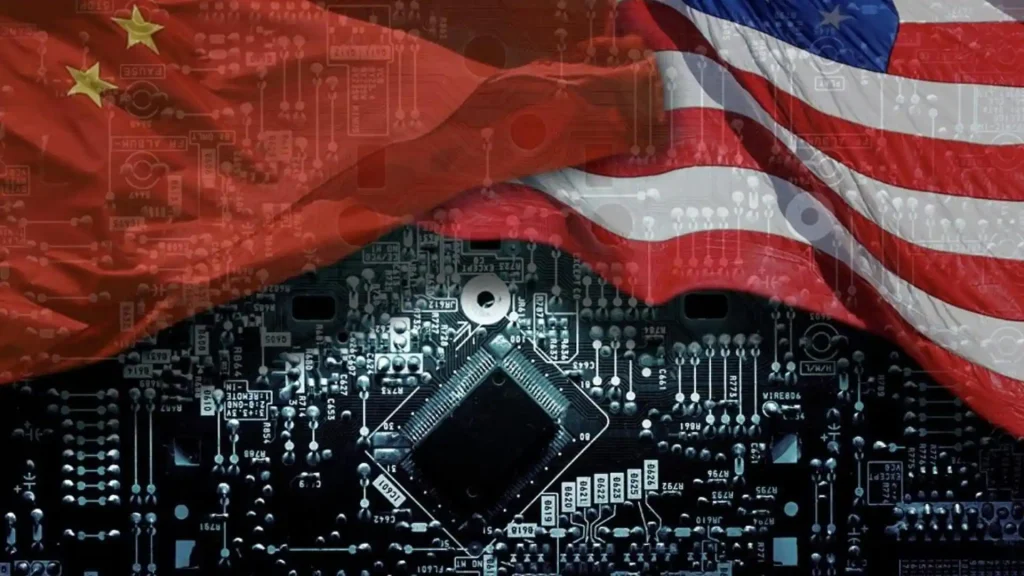
In a notable development, China has reportedly taken steps to ease pressure on its tech sector by quietly rolling back tariffs on certain US semiconductor products. According to Bloomberg, this tariff reduction is part of a broader effort by Beijing to alleviate the strain on its technology industry, which has been grappling with high import duties on essential components. This move is seen as a positive sign, suggesting that China may be open to further easing trade tensions with the US.
Beyond semiconductors, China is also said to be considering tariff relief on key medical equipment and chemicals. This includes a potential exemption for US exports of ethane and liquefied petroleum gas (LPG), depending on the progress of ongoing trade discussions. Goldman Sachs analysts have suggested that these moves could indicate an intention to ease the burden on China’s manufacturing and healthcare sectors, which have been negatively impacted by the existing tariffs.
This shift comes amid a complex backdrop of mixed signals from both nations. On the one hand, China’s Ministry of Commerce has publicly stated that the US should completely remove all unilateral tariffs to resolve the trade issue. Spokesman He Yadong emphasized that such actions would be necessary for meaningful progress in negotiations. On the other hand, President Trump has indicated that his administration is engaged in talks with Beijing, although he refrained from revealing specifics about the parties involved in the discussions.
During a recent White House briefing, Trump confirmed that his team had held meetings with China that morning, adding a sense of urgency to the ongoing trade talks. The US president also expressed optimism about the possibility of securing several trade deals in the coming weeks, noting that much could fall into place within the next three to four weeks.
Intensified Tariffs Between the US and China
The tariff dispute between the world’s two largest economies has been marked by escalating duties on a wide range of products. In recent weeks, China increased its duties on US goods from 84% to 125%, while the US has imposed tariffs on Chinese imports, which have climbed to a "reciprocal" 125% rate. Additionally, the US has applied tariffs on a variety of goods, including specific Section 301 tariffs that range from 7.5% to 100%. The ongoing tariff war has created uncertainty in global markets and sparked concerns about the potential for a prolonged trade standoff.
In response to these tensions, US Treasury Secretary Scott Bessent hinted at the possibility of a trade deal between the United States and South Korea in the near future. He praised South Korea’s approach to trade negotiations, suggesting that an agreement could be finalized as early as next week. Bessent’s comments reflect broader expectations that Trump’s administration will seek to finalize multiple trade agreements in the coming weeks.
US Tariff Adjustments on Auto Parts and Consumer Technology
In parallel with developments in the US-China trade war, President Trump has been exploring tariff exemptions for certain sectors. Notably, he is reportedly considering exempting some auto parts from the tariffs imposed in recent months. Additionally, the administration suspended tariffs on certain consumer technology products, but Trump has made it clear that these exemptions are temporary and that the levies will ultimately come into effect.
The White House has also launched an investigation into the import of trucks, signaling the potential for tariffs on the sector in the near future. These moves reflect the administration’s ongoing strategy to leverage tariffs as a tool for trade negotiations, even as they remain a point of contention in global economic relations.
Global Impact of Tariffs and Future Trade Negotiations
The global implications of the US-China tariff dispute continue to reverberate throughout international markets. The 10% baseline tariff, which went into effect on April 5, remains in place for all imports affected by the trade war. As both sides continue to navigate the complex landscape of tariff policies and trade negotiations, there is cautious optimism among investors that a resolution may be in sight.
While the situation remains fluid, developments such as China’s decision to ease semiconductor tariffs and Trump’s remarks about future trade deals offer hope for a de-escalation of tensions. The coming weeks are likely to be crucial in determining whether the two nations can reach a comprehensive agreement or whether tariff policies will remain entrenched in the global economic landscape.
ترامپ در انتظار توافق‌های تجاری ...

پیشرفت‌های جدید در مذاکرات تجاری و کاهش تعرفه‌ها: تحولات مهم