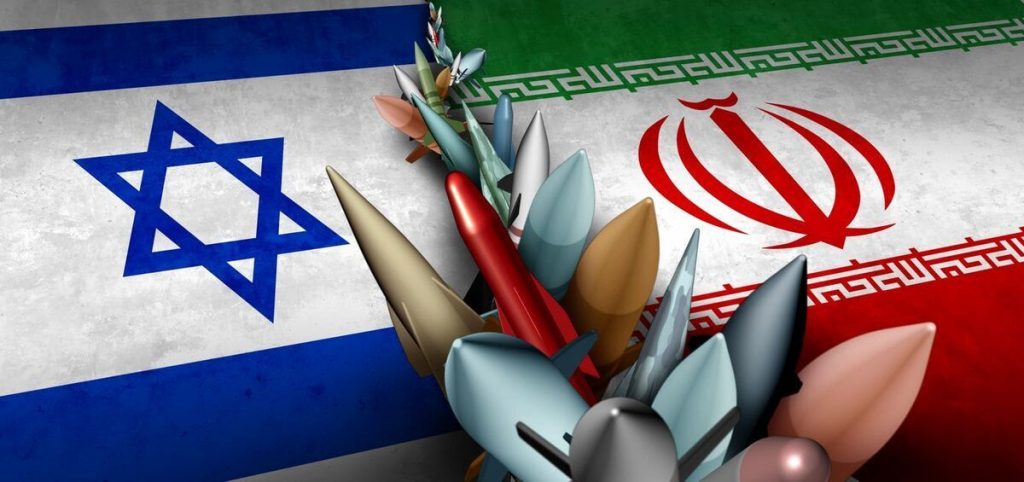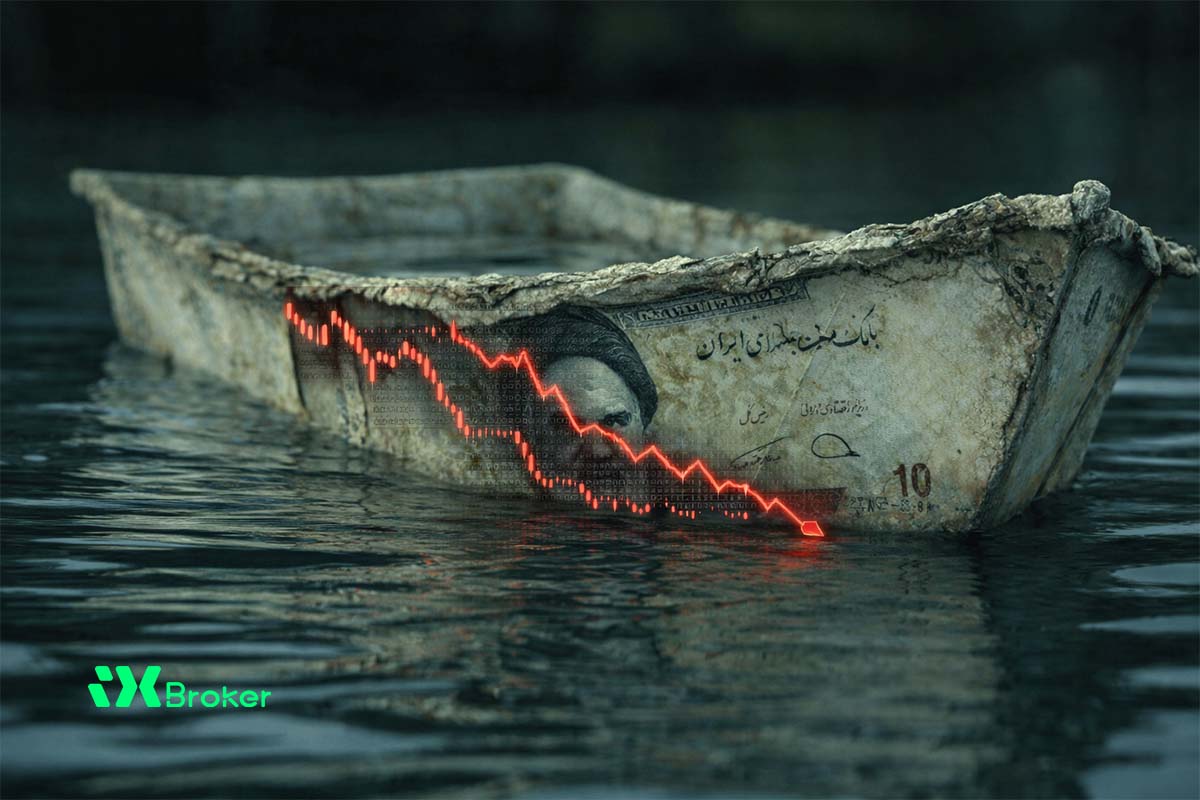
In the lexicon of economics, there is no word more terrifying than Stagflation. If inflation alone is a disease, stagflation is the “bone marrow cancer” of an economy. Recent events in the Strait of Malacca, the seizure of tankers, and Trump’s unprecedented threats of a 25% tariff on Iran’s local trade partners signal an economic surgery being performed without anesthesia.
However, the truest picture of this crisis is found not in political headlines, but on the boards of the Tehran Stock Exchange (TSE).
1. The Plunge to the Depths: What does a $76 Billion Market Mean?
When the total value of the Iranian stock market plummets to approximately $76 billion, it means the combined assets of the country’s largest industries—from petrochemicals to steel—are now worth less than a single mid-sized company in global markets. This figure carries a stark message:
-
The Great Capital Flight: Money is fleeing the domestic productive cycle.
-
The Evaporation of Rial Assets: Even if nominal stock prices rise, their real (USD) value is melting away. In these conditions, the stock market is no longer a bastion for preserving wealth; it has become a “liquidity trap.”
2. The Death Triangle: Malacca, Trump, and Blocked Arteries
The seizure of tankers in the Strait of Malacca is not merely a maritime challenge; it means the primary artery for foreign currency inflow is under extreme pressure. With Trump’s proposed 25% penalty for buyers of Iranian goods, the two blades of the stagflation shears begin to close:
-
Blade One (Inflation): The cost of sourcing goods and raw materials sky-rockets due to sanctions and high risk.
-
Blade Two (Recession): Producers and sellers are paralyzed by a lack of effective demand and severed ties with global markets. The Result? Prices go up, but no one is buying. This is a “total market deadlock.”
3. Why You Should Avoid Luxury Goods and Domestic Stocks
In a stagflation scenario, traditional strategies are not just unprofitable—they are wealth destroyers:
-
Luxury Cars and Goods: In a recession, liquidating these assets can take months. You may be wealthy on paper, but it is wealth that cannot be “cashed out.”
-
Physical Gold and Silver: The risks of storage and the massive “spread” (buy/sell price difference) in traditional domestic markets will leave you lagging during high volatility.
-
Tehran Stock Exchange: As long as the market’s dollar value struggles below $100 billion, entering it carries the risk of being caught in an erosive, downward spiral.
4. Survival Strategy with iX Broker: Volatility is Your Only Asset
In an era of frozen liquidity, the only way out is to shift focus from “asset ownership” to “trading in two-way markets.” With iX Broker, you aren’t limited to rising prices:
-
Profit from the Fall: When indices crash or currency values shift, the ability to Short Sell keeps you on the profitable side of the market.
-
Global Liquidity: Your assets are held in USD, and you are always one click away from cashing out, 24/7.
-
Escaping the Rial Trap: While the domestic market shrinks, you trade in a market with a daily depth exceeding $7 trillion.
📝 The “Formula” Operational Checklist: 5 Strategic Moves
Our analytical team has prepared a confidential checklist of what you must do before the new wave of volatility hits in March. This guide tells you which assets to liquidate immediately and which currency pairs to Hedge to survive this crisis.
1. Immediate Halt on “Captive Capital” in Consumer Goods
As tariffs and trade blockages drive up costs while paralyzing purchasing power, liquidating physical assets becomes incredibly difficult.
-
Action: Avoid buying new cars, luxury appliances, or any low-liquidity asset with high maintenance costs.
-
Goal: Prevent cash from turning into “iron and stone” that finds no buyers when you need it most.
2. Prioritize Global Liquidity
When the domestic economy recedes, your assets must have an “international passport” to retain value.
-
Action: Liquidate a portion of your Rial-based assets and convert them into instant-liquidity, USD-denominated assets.
-
Goal: Your wealth should be in a place where it can be converted to cash in minutes, any time of day (e.g., global trading accounts).
3. Reconsider Traditional Physical Businesses
Stagflation means production costs (inflation) rise while customers cannot afford to pay (recession). This is the worst time for high overhead (rent, warehouse, payroll).
-
Action: If starting a business, pivot to “low-cost online” or “global service-based” models rather than physical domestic ones.
-
Goal: Reduce the risk of bankruptcy caused by overhead costs and a disappearing local customer base.
4. Master “Volatility Income” (Instead of Waiting for Growth)
In Iran’s domestic market, you only profit when prices go up. In stagflation, markets often lock up or move sideways.
-
Action: Learn to operate in Two-way Markets. Mastering the skill of profiting from “price drops” (Sell) is as vital as profiting from growth.
-
Goal: Turn political volatility (like tanker seizures) into dollar profits, regardless of market direction.
5. Create a “Currency Shield” for Year-End Expenses
Year-end expenses usually coincide with inflationary waves.
-
Action: Move your projected holiday and New Year (Nowruz) budget out of Rials now and place it in a stable environment (like stable currency pairs or gold on a trading platform).
-
Goal: Prevent the melting of your purchasing power in the final weeks leading up to the holidays.
The iX Broker Bottom Line: The stagflation formula is simple: Stay liquid, trade globally, and avoid “dead” assets. If you are ready to take the next step toward global liquidity and volatility-based income, our team is ready to provide the technical and educational infrastructure you need.