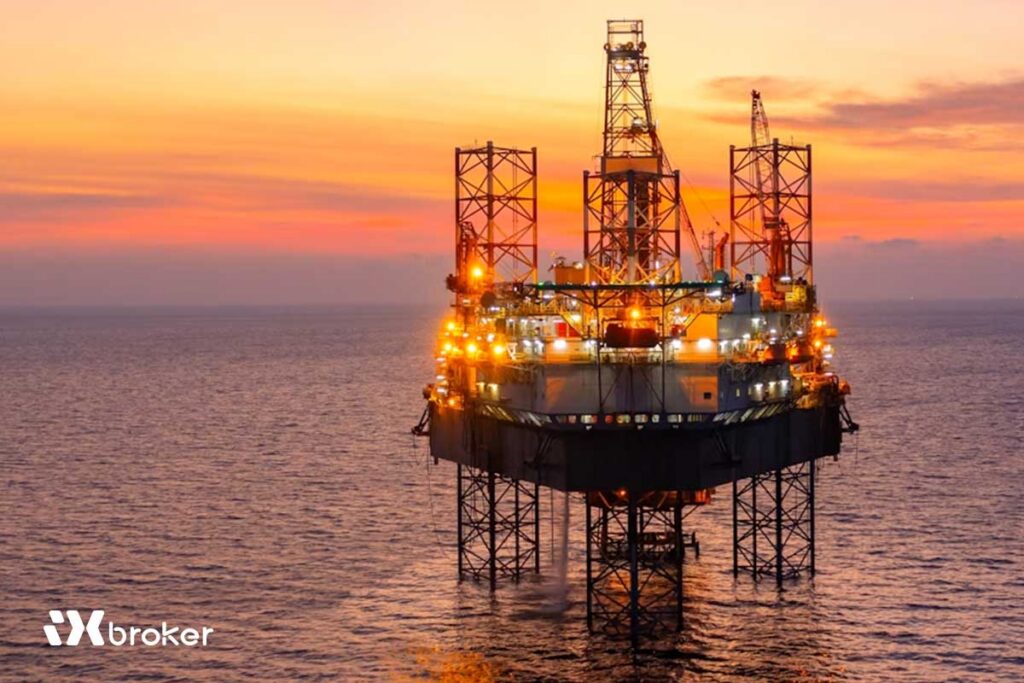
The arrest of Venezuelan President Nicolás Maduro following US airstrikes marks a major geopolitical shock, but early indications suggest global oil markets are likely to absorb the development with limited disruption as supply remains ample.
People familiar with the situation said Venezuela’s oil infrastructure was not damaged during US attacks in Caracas and other regions. Key assets, including the José export terminal, the Amuay refinery and production areas in the Orinoco Belt, remain operational, according to the sources, who spoke on condition of anonymity due to the sensitivity of the matter.
Venezuela’s limited weight in global supply
Once a major oil powerhouse, Venezuela’s production has collapsed over the past two decades and now accounts for less than 1% of global output. Recent US pressure on the Maduro government, including the seizure of tankers carrying Venezuelan crude, had already forced some wells to shut before the latest military action.
President Donald Trump said on Saturday that sanctions on Venezuela’s oil sector would remain in place, while US oil companies would eventually help rebuild infrastructure and revive output. Such an overhaul would be highly ambitious and is widely viewed as a long-term scenario rather than an immediate shift.
According to the International Energy Agency, global oil supplies are expected to exceed demand by around 3.8 million barrels per day in 2026, a level that would represent a record surplus and further cushion the market against geopolitical shocks.
Price reaction expected to be modest
Crude prices have weakened in recent weeks, with oil trading near $60 a barrel. One weekend retail trading product operated by IG Group showed US crude briefly rising by nearly $2 from Friday’s close, suggesting some initial risk premium.
“I assess that Brent crude prices will rise only marginally at the open on Sunday evening, by $1 to $2 or even less,” said Arne Lohman Rasmussen, chief analyst at A/S Global Risk Management. He added that forecasts point to a significant oversupply in the first quarter, driven by seasonally weak demand and OPEC+ production increases.
Venezuela is a member of OPEC, which, together with allies including Russia, is scheduled to hold a video conference on Sunday. Delegates previously indicated the group is likely to stick with a planned pause in production hikes.
Tanker seizures unsettle shipping
Recent tanker seizures in the Caribbean have rattled operators of sanctioned vessels. Ship-tracking data compiled by Bloomberg showed at least seven vessels reversing course or stopping at sea as of Friday, adding to four others that turned back following the boarding of the tanker Skipper in mid-December.
Despite the heightened volatility, Chevron has continued operations in Venezuela under a sanctions waiver granted by the Trump administration. The company said it remains focused on employee safety and asset integrity and is operating in compliance with applicable laws and regulations.
Long-term uncertainty for Venezuelan oil
Maduro’s capture has revived debate over the long-term future of Venezuela’s oil industry. The country is estimated to hold larger oil reserves than Saudi Arabia and historically attracted some of the world’s biggest energy companies.
However, successive waves of nationalization under former president Hugo Chávez left lasting scars. Companies including Shell, Exxon Mobil and ConocoPhillips exited the country, with Exxon and Conoco later pursuing compensation claims after asset seizures.
In addition to Chevron, several European firms — including Spain’s Repsol, Italy’s Eni and France’s Maurel et Prom — remain active in Venezuela through partnerships with state-owned PDVSA.
Trump said US companies would rebuild the sector and sell large volumes of oil to global buyers, though he did not specify which firms would be involved or how quickly production could resume.
“History shows that forced regime change rarely stabilizes oil supply quickly, with Libya and Iraq offering clear and sobering precedents,” said Jorge Leon, head of geopolitical analysis at Rystad Energy.
Ready to start trading Forex? Join iXBroker today and kick-start your trading journey now!