On Wednesday night, President Donald Trump petitioned the U.S. Supreme Court to quickly hear and rule on his appeal, seeking to overturn lower court decisions that deemed most of his tariffs illegal.
This request follows a ruling from the U.S. Court of Appeals for the Federal Circuit, which, in a 7-4 decision, concluded that Trump exceeded his authority when implementing tariffs on nearly all countries. The ruling casts doubt on a key component of Trump’s trade strategy.
Trump is asking the Supreme Court to hear oral arguments for his appeal in early November and issue a final decision on the legality of the disputed tariffs shortly thereafter, according to court filings obtained by NBC News from the plaintiffs involved in the case.
Typically, the Supreme Court could take until next summer to issue such a ruling.
In a statement accompanying Trump’s request, Treasury Secretary Scott Bessent warned that the appeals court decision “gravely undermines the President’s ability to conduct real-world diplomacy and to protect the national security and economy of the United States.”
Trump’s filings also caution that delaying a ruling until June 2026 could result in the collection of between $750 billion and $1 trillion in tariffs, which, if reversed, could cause significant economic disruption.
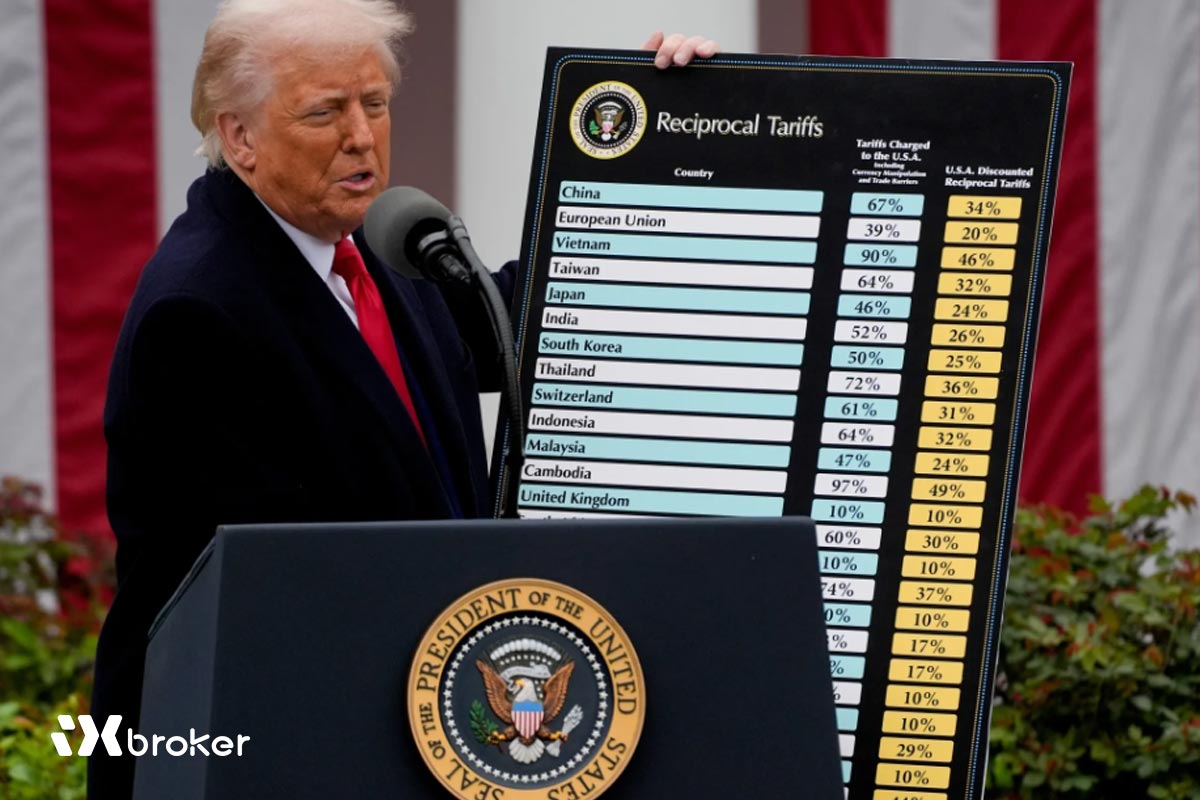
Trump imposed the tariffs using the International Emergency Economic Powers Act (IEEPA), declaring the U.S. federal deficit with foreign nations a national emergency. However, the appeals court ruled that “tariffs are a core Congressional power,” not a presidential authority, as outlined in the Constitution.
The appeals court delayed its ruling until October 14, allowing Trump time to petition the Supreme Court for a review. The high court could also issue an indefinite stay of the decision while it resolves the case.
Jeffrey Schwab, senior counsel at the Liberty Justice Center, which represented the plaintiffs who successfully challenged the tariffs, commented: “Both federal courts that considered the issue agreed that IEEPA does not grant the President unchecked authority over tariffs.”
“We are confident that our legal arguments against the so-called ‘Liberation Day’ tariffs will ultimately prevail,” Schwab added. “These unlawful tariffs are causing significant harm to small businesses, threatening their survival. We hope for a prompt resolution of this case for our clients.”