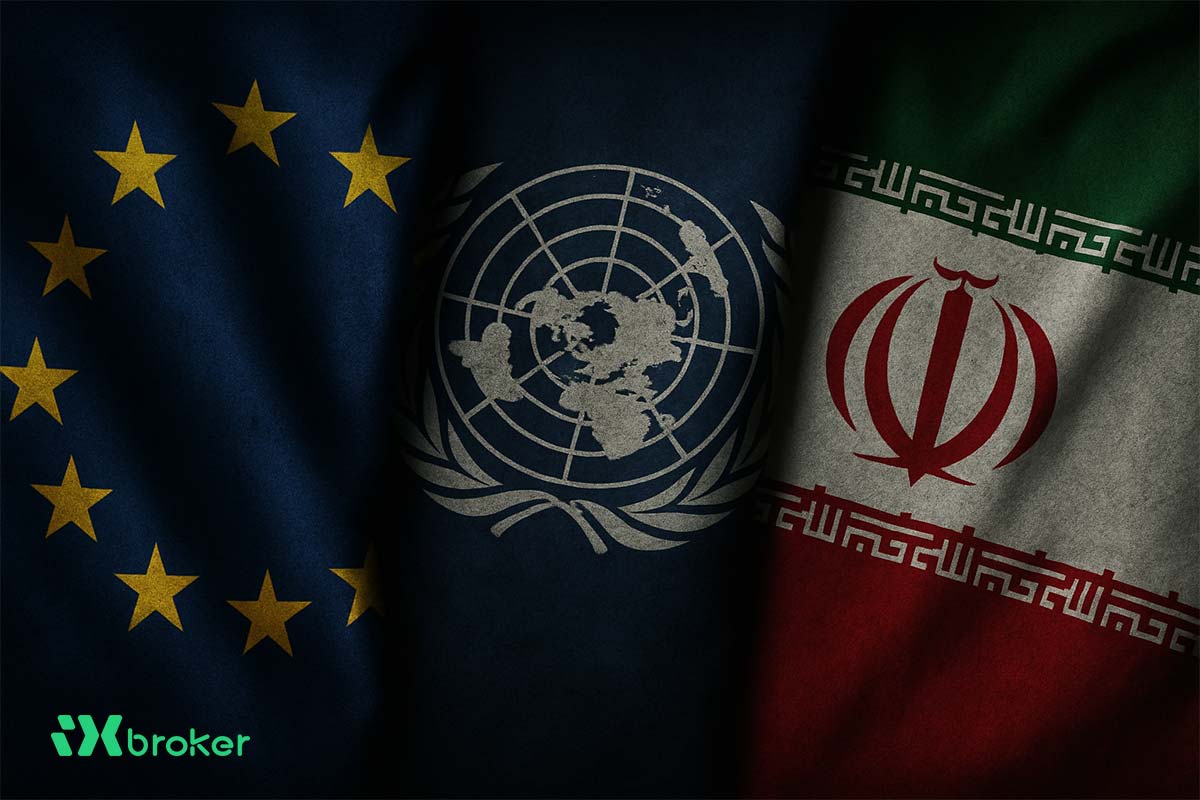
Britain, France, and Germany have initiated a 30-day process to reinstate United Nations sanctions on Iran over its contested nuclear program, a move that threatens to escalate already high tensions just weeks after U.S. and Israeli strikes on Iranian facilities.
Tehran swiftly denounced the European trio’s decision, calling it “illegal and regrettable,” and warning that pressure would not force concessions. “This is an action against diplomacy, not a chance for it,” a senior Iranian official told Reuters, though he noted that dialogue with Europe would continue.
Diplomatic calculations in Europe
The so-called snapback mechanism was triggered by the E3 to preserve their legal authority to reimpose sanctions before it expires in mid-October. French Foreign Minister Jean-Noel Barrot emphasized that the decision did not mark the end of diplomacy, while Germany’s Johann Wadephul urged Tehran to fully cooperate with the International Atomic Energy Agency (IAEA) and engage in direct talks with Washington within the next month.
The E3’s move followed inconclusive talks in Geneva earlier this week, where Iran failed to provide assurances deemed credible by European negotiators. In a joint letter to the UN Security Council, the E3 underscored that their commitment to a diplomatic resolution “remains steadfast,” even as they reserve the right to enforce sanctions should Tehran fail to act within the 30-day window.
U.S. reaction and Iran’s red lines
U.S. Secretary of State Marco Rubio welcomed the European initiative, citing Iran’s “significant non-performance” under the 2015 nuclear accord. Washington reiterated its readiness for direct engagement, provided talks contribute to “a peaceful, enduring resolution.”
Iran, however, signaled conditional openness, with one insider noting Tehran would only participate if the U.S. guarantees no military action during negotiations. The Islamic Republic has also warned it may exit the Nuclear Non-Proliferation Treaty altogether should sanctions be reimposed.
Economic and political fallout in Iran
The looming threat of renewed UN sanctions — which would directly target Iran’s banking, hydrocarbons, defense, and broader financial sectors — has sparked growing unease inside the country. The rial slid sharply on Wednesday after news broke of the European move, exacerbating economic anxiety amid widening political divisions between hardliners advocating confrontation and moderates urging dialogue.
Iran’s nuclear program remains central to the standoff. According to the IAEA, Tehran has enriched uranium up to 60% purity — near weapons-grade levels — and had accumulated sufficient stock for multiple warheads before Israel’s June strikes. While actual weaponization would take longer, Western powers argue Iran’s activities exceed civilian energy needs, while Tehran insists its program is entirely peaceful.
What comes next
The UN Security Council is set to meet behind closed doors on Friday to assess the European request. If no resolution is found within 30 days, sanctions lifted under the 2015 accord will automatically “snap back” into place.
For markets, the prospect of renewed restrictions on Iran’s energy exports and banking sector could have significant ripple effects — tightening global oil supply, fueling further currency volatility in Tehran, and deepening the economic isolation of the Islamic Republic.