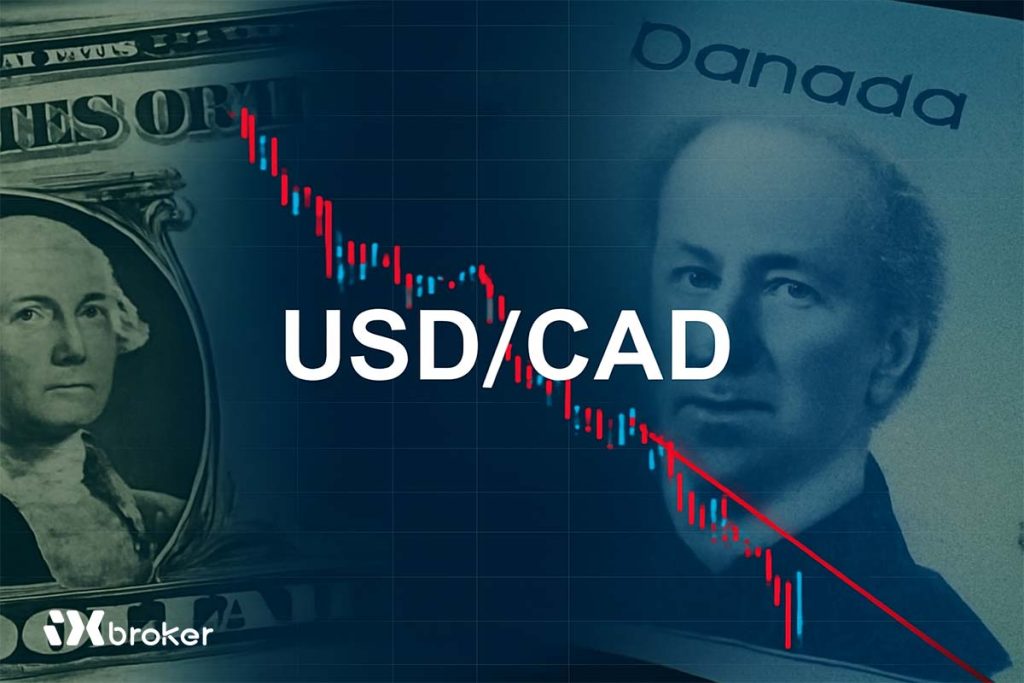
The weakening dollar drives a record surge in local debt returns across emerging markets, marking the best performance in 16 years.
As the U.S. dollar faces one of its steepest declines in decades, investors are redirecting capital toward emerging market bonds, triggering record-breaking gains. This shift signals a broader erosion of confidence in the greenback and rising global interest in local-currency assets.
A Historic Dollar Slump Fuels Emerging Market Momentum
The first half of 2025 has been particularly unkind to the U.S. dollar. With an 11% drop in value so far—its worst performance since the 1970s—the dollar has weakened against 19 of the 23 most-traded emerging market currencies and posted double-digit losses against 10 of them.
Experts attribute this sharp decline to growing uncertainty around U.S. fiscal and monetary policies, compounded by political instability. As a result, global investors are looking beyond traditional safe havens and into alternative opportunities across emerging economies.
Unprecedented Gains in Local Currency Debt
With the dollar in retreat, emerging market local debt has delivered a staggering 12.1% return in the first half of 2025—its strongest semiannual performance since 2009. In comparison, hard-currency bonds have returned just 5.4% over the same period.
“No one had this level of dollar weakness on their radar,” says Edwin Gutierrez, Head of Emerging Market Sovereign Debt at Aberdeen Group. “We expected local-currency debt to outperform, but not by this margin.”
Investor Inflows Surge to Record Levels
According to Bank of America, citing EPFR Global data, emerging market debt funds have attracted more than $21 billion in inflows so far this year. These funds have posted inflows for 11 consecutive weeks, including $3.1 billion in the week ending July 2 alone.
The data highlights a sharp global pivot in investment behavior, as investors seek higher yields, diversification, and greater currency exposure in local markets—once overlooked under the dominance of the U.S. dollar.
Rate-Cut Potential Adds to the Appeal
Another key driver of investor enthusiasm is the growing room for interest rate cuts in developing economies. “We expect emerging market central banks to have more capacity for rate reductions,” says Lewis Jones, a debt manager at William Blair Investment Management. “And with the dollar likely to weaken further against the euro, the relative appeal of EM debt for European investors will grow.”
Lower rates reduce borrowing costs and typically boost economic activity—making these assets even more attractive to yield-seeking investors.
Latin America Leads the Pack
Within the emerging market universe, Latin American economies have posted some of the strongest performances. Mexico’s local government bonds (Mbonos) have gained 22% so far this year, while some Brazilian bonds have delivered returns exceeding 29%. These gains came after sharp selloffs last year and growing expectations that central banks in the region are nearing the end of their tightening cycles.
“We continue to hold our positions in Mexican Mbonos—the trade is far from over,” says Adriana Cristea, Senior Investment Manager at Pictet Asset Management. “We also maintain exposures across emerging markets in Latin America, EMEA, and Asia.”
Looking Ahead: Will the Rally Continue?
Analysts agree that as long as U.S. policy uncertainty lingers and the dollar remains under pressure, emerging market debt will retain its momentum. A rising global appetite for local-currency assets suggests that investor interest in EM bonds is more than a short-term trend.
In fact, with improving political and macroeconomic stability in many developing countries—and their enhanced ability to manage inflation and monetary policy—emerging markets may be entering a new era of sustained growth and strategic global investment.