Tensions between Iran and Israel drive oil prices up by 8%, sending shockwaves through global energy markets.
Following Israeli airstrikes on Iran’s nuclear facilities, global oil prices soared sharply. Analysts warn that continued tensions may trigger severe volatility in energy markets worldwide.
Sharp Rise in Oil Prices After Military Escalation
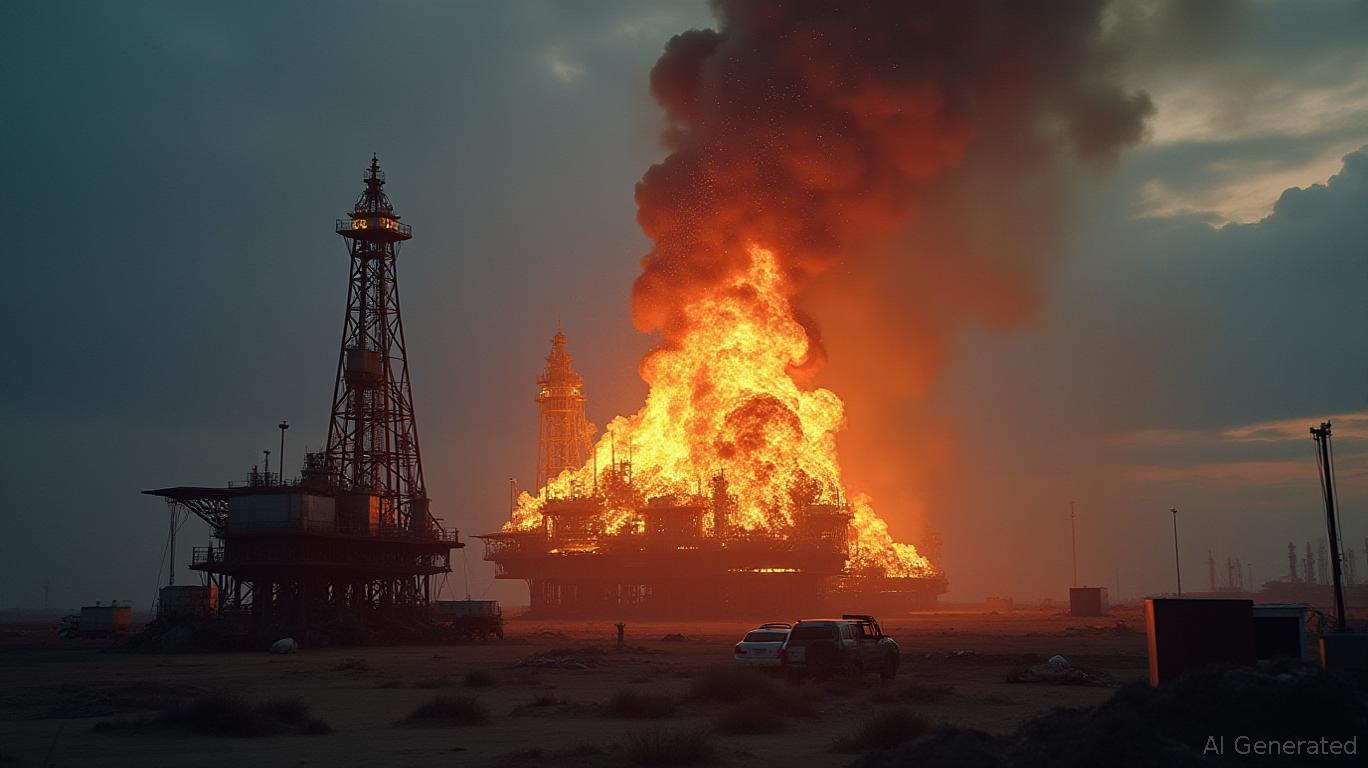
In the early hours of Friday, global oil markets experienced a dramatic spike in prices. Brent crude rose nearly 6% to approach $74 per barrel, while West Texas Intermediate (WTI) climbed close to $73. The price rally was driven by Israel’s surprise airstrikes on Iran’s military and nuclear installations, which have reignited fears over regional stability in the Middle East.
Israel Vows to Continue Strikes as Long as Needed
Israeli Prime Minister Benjamin Netanyahu stated that his country is prepared to continue the strikes “for as long as it takes.” According to Israeli officials, the military operation was launched to disrupt Iran’s advancing nuclear program. IDF spokesperson Brigadier General Effie Defrin said the strikes were “preemptive and precise,” aimed at halting what intelligence has described as Iran being “closer than ever” to acquiring a nuclear weapon.
Iran’s Response: Drone Offensive Underway
In retaliation, Iran launched over 100 drones toward Israeli territory. An Israeli military spokesperson confirmed the operation, warning that it could be a prelude to a larger missile offensive. Military analysts suggest the situation may rapidly escalate into a broader regional conflict if other state actors such as Lebanon, Syria, or even the United States become involved.
U.S. Response and Rising Diplomatic Tensions
U.S. President Donald Trump urged Iran to return to the negotiating table and avoid further confrontation. In a post on social media, he wrote: “JUST DO IT, BEFORE IT IS TOO LATE.” Meanwhile, Secretary of State Marco Rubio emphasized that the U.S. had no involvement in the strikes, but warned that any threat to American interests in the region would be met with a firm response.
Iran’s Key Role in OPEC and Market Concerns
As the third-largest oil producer within OPEC, Iran’s output exceeds 3 million barrels per day. Rebecca Babin, Senior Energy Trader at CIBC Private Wealth, noted that Iran’s current exports—ranging from 1.6 to 1.8 million barrels per day—could fall sharply if pressure intensifies or if critical infrastructure is directly targeted. Disruption in Iranian supply would have a notable impact on global market balance.
Strategic Risk in the Strait of Hormuz
A major concern remains the potential disruption of oil shipping through the Strait of Hormuz, a critical maritime chokepoint through which approximately 20 million barrels of oil transit daily. Iran has repeatedly threatened to close the strait in response to military threats. Ed Hirs, Senior Fellow at the University of Houston, told Yahoo Finance that heightened tensions could result in a temporary slowdown of tanker traffic through the area, exacerbating supply chain risks.
Oil Market Outlook: Uncertain and Volatile
International analysts caution that if the conflict widens and involves additional regional or global powers, the oil market may experience a severe shock with unprecedented price spikes and supply shortfalls. Investors are now closely monitoring developments in the Middle East, as any new escalation could directly impact oil prices, global inflation, and broader economic stability.