Aluminium premiums in the US physical market surged 54% after tariffs doubled to 50%, signaling significant cost increases for importers and downstream industries.
Introduction: Sharp Increase in Aluminium Premiums in the US
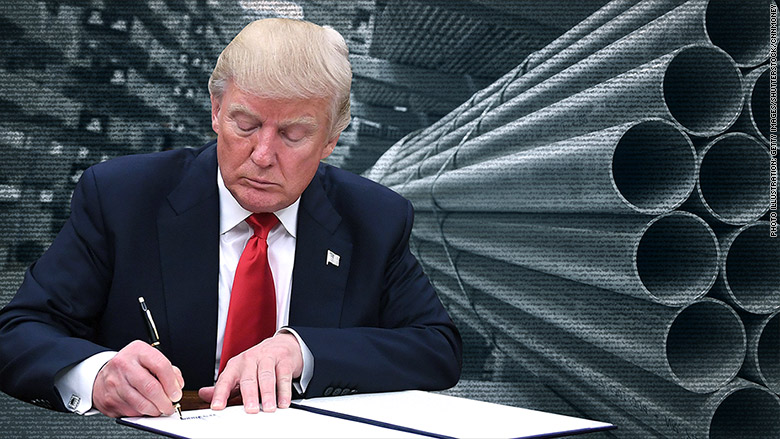
Premiums for aluminium buyers in the physical market across the United States skyrocketed on Monday following President Donald Trump’s announcement of a dramatic increase in import tariffs on steel and aluminium. The tariffs are set to double from the existing 25% to a new rate of 50%, effective June 4, 2025. This sudden policy change has created significant ripples in the metals market, particularly affecting import-dependent consumers and industrial sectors reliant on aluminium.
US Dependence on Aluminium Imports
The United States is heavily dependent on aluminium imports to meet domestic demand. Approximately 50% of all aluminium used in sectors such as transportation, packaging, and construction is sourced from abroad. Canada is the predominant supplier, accounting for the majority of these imports. This reliance on foreign aluminium makes the US market particularly sensitive to tariff adjustments, which directly impact the landed costs of aluminium products.
How Aluminium Premiums Work
In physical markets, buyers pay the benchmark aluminium price set by the London Metal Exchange (LME) plus a premium. This premium accounts for additional costs including taxes, transportation, handling, and import duties. With tariffs doubling, the premium component of the cost structure has risen sharply, reflecting the increased expense of sourcing aluminium under the new trade barriers.
Recent Market Movements and Statistics
On Monday, the duty-paid aluminium premium in the US Midwest reached $0.58 per pound, translating to $1,279 per metric ton. This marked a 54% increase compared to the premium at the close of trading on the preceding Friday. When looking at the period from the start of 2025, the premium has surged an extraordinary 164%. This spike highlights how tariffs have compounded other market factors already pushing premiums higher.
Seasonal and Market Timing Effects
Part of the notable premium increase observed on June 2 can be attributed to the fact that it was the first trading day of the new month. Historically, regional premiums often see strong upward movements at the start of each month as contracts are renewed and market participants adjust their pricing expectations. However, analysts agree that the tariff announcement was the dominant factor driving this surge.
Industry Outlook and Goldman Sachs Forecast
Goldman Sachs, a leading investment bank, has projected that the aluminium premium will need to increase further to between $0.68 and $0.70 per pound to fully incorporate the costs associated with the new 50% import tariff. This forecast suggests that premiums are likely to continue rising unless there is a policy reversal or other mitigating factors such as increased domestic production or alternative sourcing.
Impact on Global Aluminium Prices
While the US market faces sharply rising premiums, the global benchmark price for aluminium on the London Metal Exchange saw a modest increase of 0.2%, closing at $2,448.50 per metric ton. This minor price movement indicates some resilience in global aluminium markets but also reflects the localized pressure on US premiums driven by tariff-related cost adjustments.
Supply Chain Challenges and Market Disruptions
The tariff increase comes amid ongoing global supply chain disruptions, including container shortages and port congestion, particularly at major hubs like the Port of Los Angeles. These logistical challenges have already contributed to rising costs and delays, which are further exacerbated by the increased tariffs, intensifying cost pressures for US manufacturers and consumers.
Broader Economic Implications
Given the critical role aluminium plays across various industries, rising import costs may translate into higher prices for end products ranging from vehicles to consumer packaging and construction materials. Analysts warn that the cumulative effect could fuel inflationary pressures in these sectors, potentially impacting consumer prices and economic growth.
Conclusion: Market Watch and Future Developments
The doubling of aluminium import tariffs by the US government represents a significant shift in trade policy with immediate effects on physical aluminium market premiums. The situation remains fluid, with market participants closely monitoring how manufacturers, importers, and policymakers will respond. Any changes to tariff policy or supply chain adaptations could alter the premium trajectory, but for now, higher aluminium costs appear to be the new norm in the US market.