Trump’s tariffs remain in effect after a court ruling, while US-China trade talks stall, signaling possible leader-level intervention.
The United States’ trade landscape has entered a critical phase. While a federal appeals court temporarily upheld President Trump’s sweeping tariff policy, U.S.-China trade negotiations have slowed, prompting speculation that only direct involvement from national leaders could reignite progress.
Trade Talks Between U.S. and China Face New Impasse
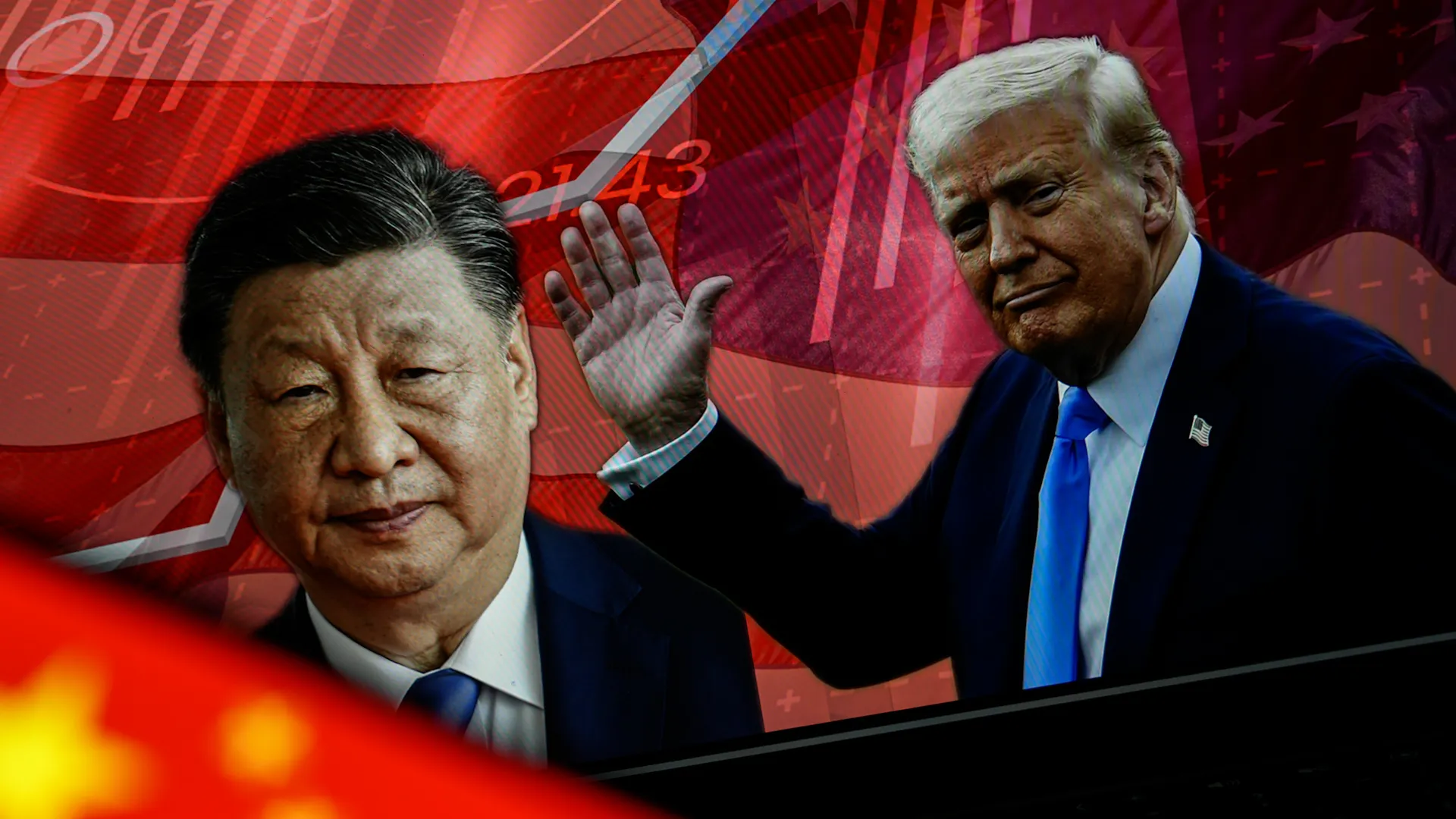
U.S. Treasury Secretary Scott Bessent stated in an interview with Fox News that trade discussions with China have “stalled.” After months of tense negotiations, the current diplomatic efforts appear to have reached a deadlock. Bessent emphasized that due to the complexity of the issues, a direct conversation between President Donald Trump and Chinese President Xi Jinping may be necessary to move talks forward.
Bessent Urges Leader-Level Intervention to Break Deadlock
Bessent recently met with Chinese officials in Switzerland, where both nations stepped back from imposing tariffs over 100% on each other’s goods. Despite signs of restraint, Bessent noted that formal progress has been minimal. “Given the magnitude of the talks, this is going to require both leaders to weigh in with each other,” he said, implying that only top-level diplomacy could advance the stalled talks.
Appeals Court Temporarily Reinstates Trump Tariffs
Meanwhile, President Trump’s tariff strategy received a temporary legal boost. After the U.S. Court of International Trade ruled that the administration’s method for enacting tariffs was unlawful, the U.S. Court of Appeals for the Federal Circuit issued a temporary administrative stay. This decision blocks the lower court’s ruling, allowing Trump’s tariffs to remain in effect during the legal review.
Legal Uncertainty Looms as June 9 Briefing Deadline Approaches
The federal appeals court has given the Trump administration until June 9 to file formal legal briefings. A final decision will follow, determining whether the contested tariffs will remain lawful. The White House has expressed willingness to take the case to the Supreme Court if necessary, underscoring the administration’s commitment to its trade agenda.
India Offers Concessions in Bid to Avoid U.S. Tariffs
The diplomatic front is equally active. According to the Financial Times, India has proposed significant tariff reductions to the U.S. in exchange for maintaining protective duties on certain agricultural products. This signals a willingness from other nations to negotiate rather than confront Washington’s trade measures head-on.
EU Engages U.S. on Strategic Trade Cooperation
In Europe, EU Trade Commissioner Maroš Šefčovič confirmed that the European Commission is in talks with the U.S. over cooperation in industries such as semiconductors, steel, and aerospace. These discussions represent a parallel track of engagement as trading partners seek clarity amid evolving U.S. trade policy.
Markets and Businesses Monitor Policy with Caution
The current uncertainty—both legal and diplomatic—is being closely watched by international markets and global businesses. The continuation of tariffs and slow-moving negotiations raise questions about supply chain stability, pricing, and cross-border investment. Stakeholders across industries are urging clearer policy signals as global trade faces prolonged volatility.
Outlook: All Eyes on Trump and Xi for Next Move
With a potential turning point approaching, the prospect of a leader-to-leader discussion between Trump and Xi may be the key to unlocking progress. As legal decisions unfold and elections approach in the U.S., economic policy—including tariffs—remains central to Washington’s global posture.