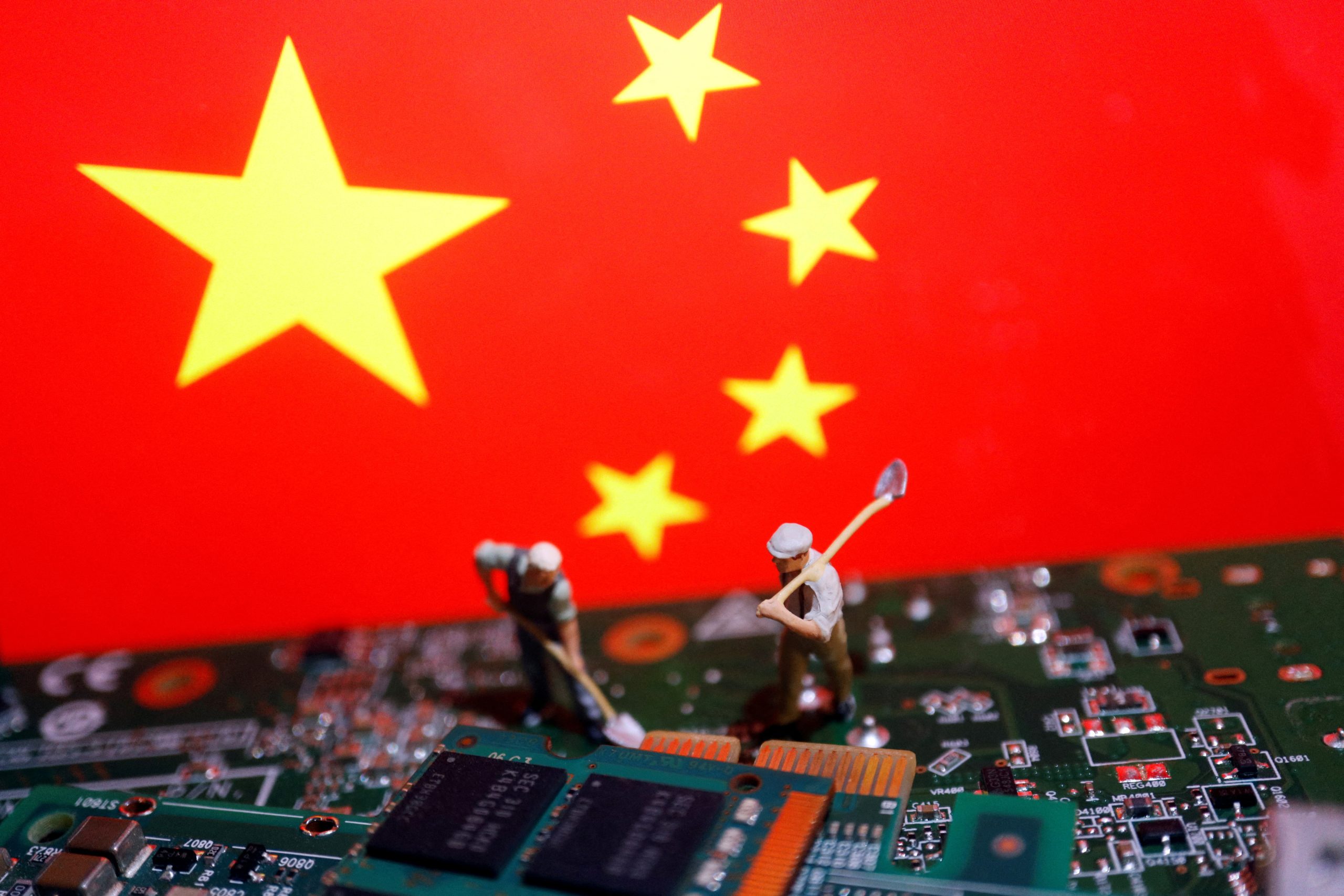
China plans to ease rare earth export restrictions for Chinese and European semiconductor companies to address supply chain issues and shortages of critical raw materials.
In response to widespread concerns about the impact of China’s export restrictions on the semiconductor industry, the government has announced potential easing of rare earth export controls for Chinese and European companies active in this sector. This move aims to stabilize production lines and prevent factory shutdowns.
Background on China’s Export Restrictions
In April 2025, the Chinese government placed seven rare earth elements and related products under export control regulations, requiring all exporters to obtain licenses regardless of the nationality of the overseas buyers. This measure was introduced to preserve strategic resources and strengthen export oversight but quickly caused significant disruptions in global supply chains, especially in the semiconductor and automotive industries.
Export Licensing Challenges and Supply Chain Disruptions
Although some exporters have been granted limited licenses to ship rare earth magnets, the licensing process remains highly complex and time-consuming. This has resulted in prolonged customs clearance delays and widespread confusion among exporters and importers alike. Consequently, many production lines in Europe and China face the imminent risk of halting operations due to shortages.
China-Europe Semiconductor Industry Meeting
On Tuesday, China’s Ministry of Commerce convened a meeting with representatives from Chinese and European semiconductor companies. During the session, Chinese officials outlined the licensing procedures and acknowledged existing challenges, pledging to expedite the approval process. European delegates voiced their urgent concerns about potential production stoppages stemming from critical material shortages.
Jens Esklund, President of the European Union Chamber of Commerce in China, commented: “This meeting provided an opportunity for European Chamber members to express the urgent need for accelerating license approvals and to urge Chinese authorities to prioritize supply chain stability.” He added that further delays could result in the complete shutdown of manufacturing lines.
The Critical Role of Rare Earths in Technology Industries
Rare earth elements are essential for manufacturing electronic components, semiconductors, electric vehicles, and defense equipment. Any disruption in access to these materials directly affects product output, leading to increased costs and diminished competitiveness for companies. Given the rapid growth of technology sectors worldwide, maintaining a stable supply of rare earths is of paramount importance for many countries.
Outlook for Future China-Europe Cooperation
Easing export restrictions could improve trade relations between China and Europe and help secure a more resilient semiconductor supply chain. This initiative may form part of broader efforts to reduce trade tensions and enhance industrial and technological collaboration. Meanwhile, the global tech industry will continue to closely monitor developments and potential policy shifts in China’s export controls