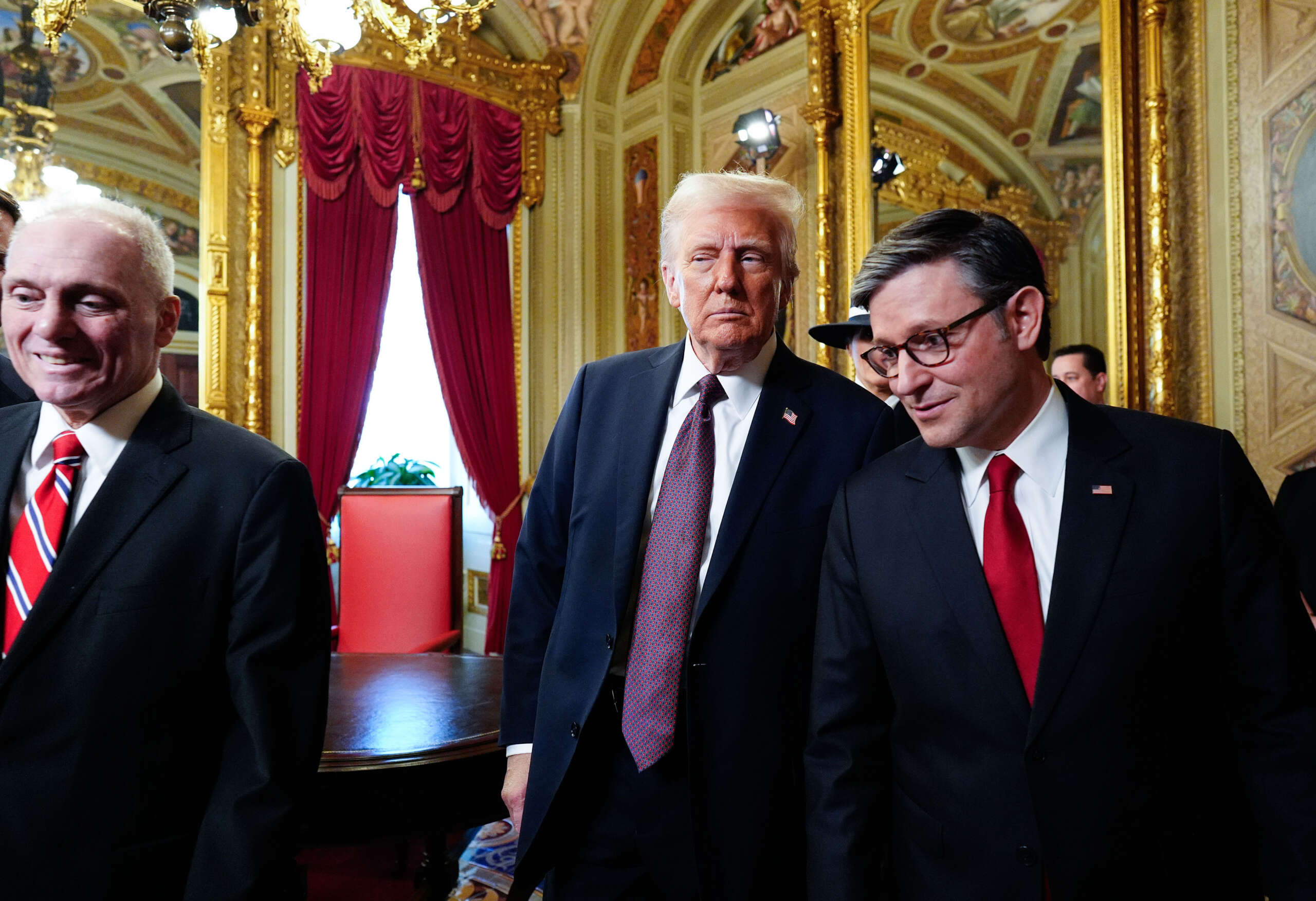
Washington, D.C. – In a razor-thin 215–214 vote, the U.S. House of Representatives has passed what former President Donald Trump hailed as his “big, beautiful bill,” a sweeping package of tax reforms and government spending changes that could significantly reshape the American economy and tax landscape if it becomes law. The legislation now moves to the Senate, where further revisions are likely.
This landmark bill, exceeding 1,000 pages, combines extensive tax cuts, reductions in social welfare spending, and increased federal expenditures, including military funding and new measures for border security. It also proposes raising the U.S. debt ceiling by $4 trillion amid warnings from Treasury Secretary Scott Bessent that the country’s borrowing authority is nearing exhaustion.
Key Provisions for Individual Taxpayers
At the heart of the bill is the permanent extension of tax cuts originally introduced under the 2017 Tax Cuts and Jobs Act (TCJA). Without legislative action, those rates would expire in 2026. The current top income tax rate of 37% for high earners would remain in place, avoiding a scheduled increase to pre-2017 levels.
Other notable provisions include:
- Increased SALT Deduction: State and local tax (SALT) deductions would be raised from $10,000 to $40,000.
- No Taxes on Tips and Overtime: In a bid to attract working-class support, the bill eliminates federal taxes on tips, overtime pay, and car loan interest, although this only applies to non-highly compensated workers.
- Expanded Standard Deduction and Child Tax Credit: The standard deduction for single filers increases by $1,000, and the child tax credit rises from $2,000 to $2,500.
- Senior Citizen Relief: Additional deductions are included for seniors, along with promises to eliminate taxes on Social Security benefits.
These benefits, however, are largely temporary. Many expire in 2029, aligning with the end of a potential second Trump administration. Critics argue that such temporary measures inflate the bill’s long-term cost, which the Penn Wharton Budget Model estimates could exceed $5.8 trillion over a decade if extended beyond current timelines.
Social Safety Net Cuts and Inequality Concerns
Democrats have fiercely criticized the bill for its disproportionate impact on lower-income Americans. According to the Congressional Budget Office (CBO), the bottom 10% of earners would see a 4% reduction in household resources, largely due to cuts in Medicaid and food aid programs, while the top 10% would benefit from a 2% increase.
House Minority Leader Hakeem Jeffries accused Republicans of “taking food out of the mouths of children,” and warned that the legislation could backfire politically, potentially jeopardizing the GOP’s control of the House.
“Trump Accounts” and New Savings Vehicles
Among the bill’s most politically charged provisions is the creation of so-called “Trump accounts”, originally named MAGA accounts. These tax-advantaged savings plans would be seeded with a $1,000 government contribution and allow Americans to contribute up to $5,000 annually. However, tax experts have questioned their effectiveness, pointing to the superior benefits of existing 529 education savings plans.
Business Tax Benefits and Loopholes
For businesses, the bill includes several substantial benefits:
- 100% Expensing for Factories: Businesses can fully deduct the cost of building new factories or upgrading existing ones.
- Permanent 199A Deduction: The 23% pass-through deduction becomes permanent, benefiting small businesses and partnerships.
- Deductions Reinstated: Deductions for R&D, property depreciation, and interest expenses are reinstated.
Yet some of Trump’s campaign promises—such as reducing the corporate tax rate to 15% for manufacturers and closing the carried interest loophole—are conspicuously absent. The corporate tax rate remains unchanged at 21%.
Controversial Policy Riders
The bill also includes provisions to:
- Limit State Regulation of AI: A 10-year moratorium on state-level regulation of AI technologies.
- Rollback Clean Energy Credits: Accelerated phaseout of clean energy tax credits introduced under the Biden administration, including those for electric vehicles and solar panels.
These additions could prove contentious in the Senate, where some Republican lawmakers have expressed concerns, particularly about AI oversight and the climate-related rollbacks.
Final Thoughts
Trump’s comprehensive tax bill, if passed in its current form, would represent one of the most significant overhauls of U.S. fiscal policy in recent decades. With sweeping implications for individuals, businesses, and the federal budget, all eyes are now on the Senate as the next battleground for the bill’s future.
Stay tuned to iXBroker for real-time updates and in-depth analysis on how this legislation could affect your investments and financial strategy.